
Essential Tips for Your Destination Wedding Photography & Videography
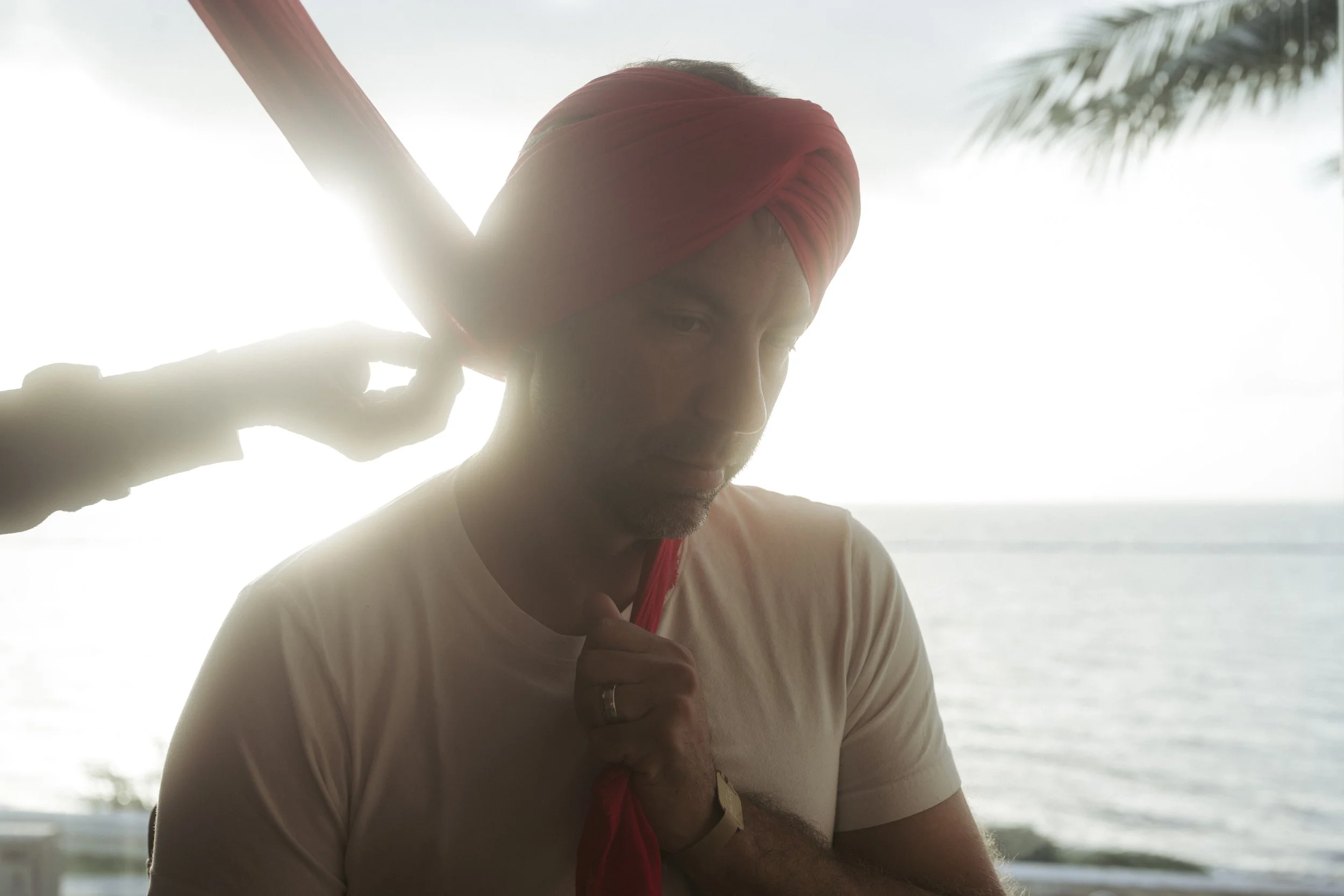
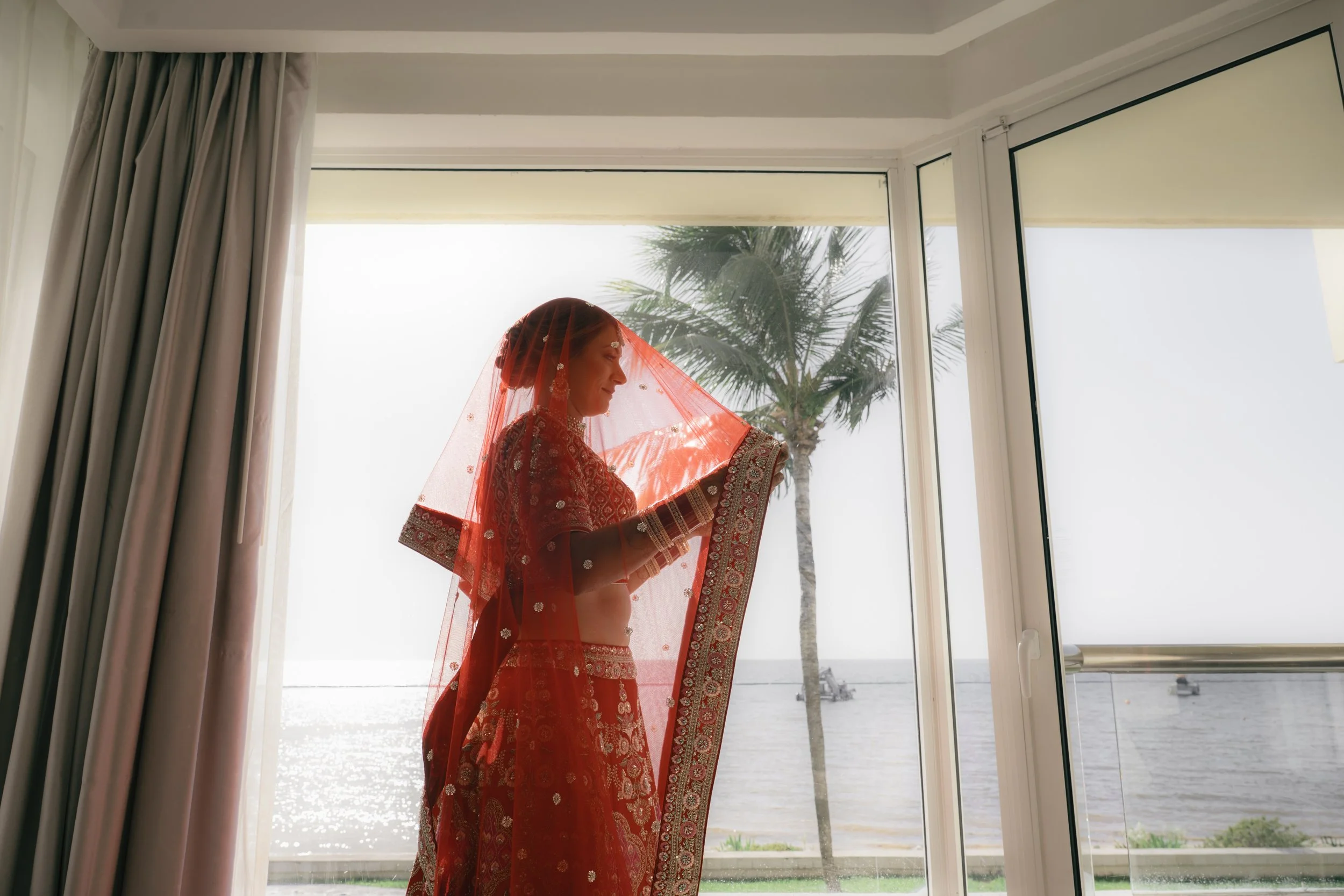
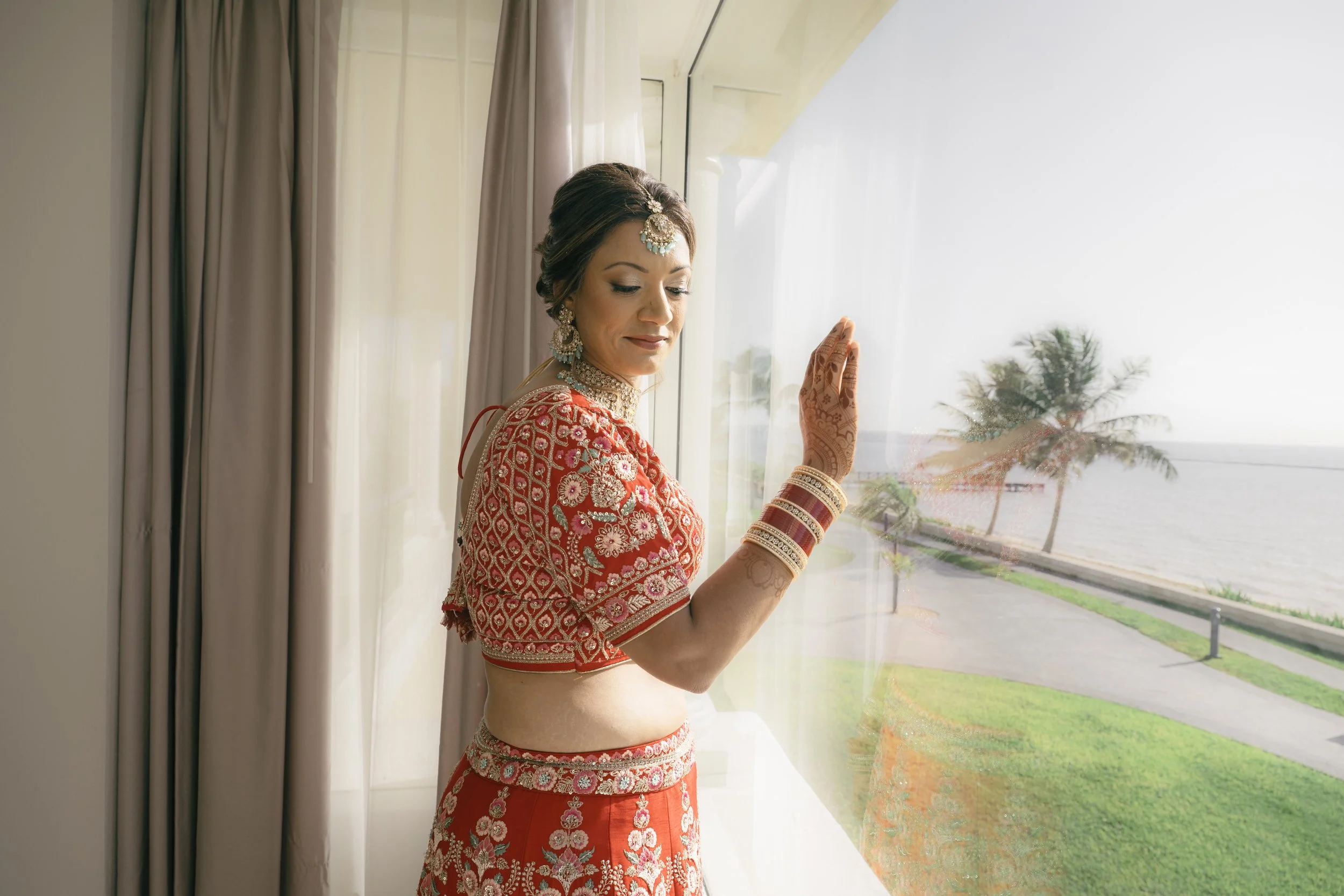
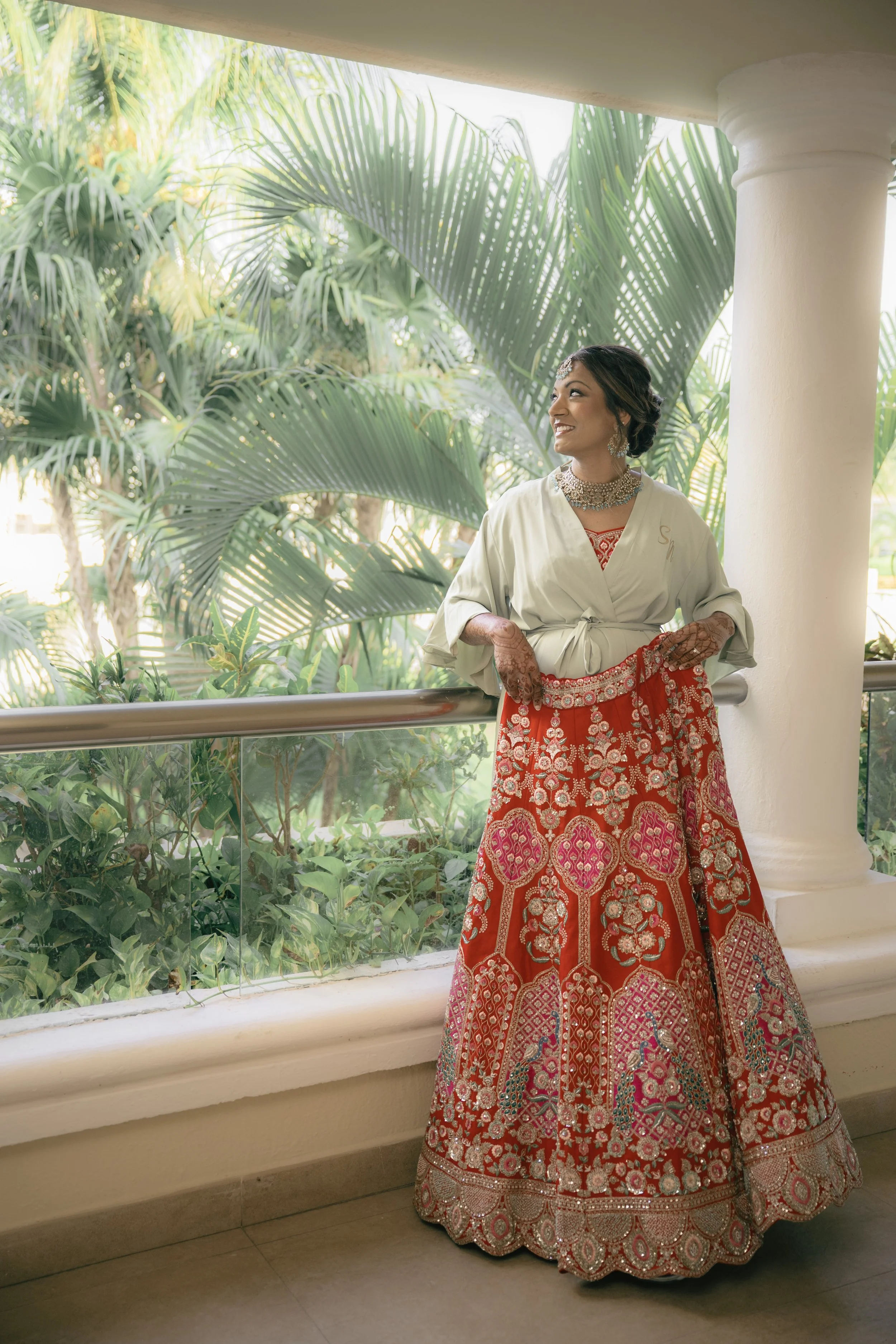
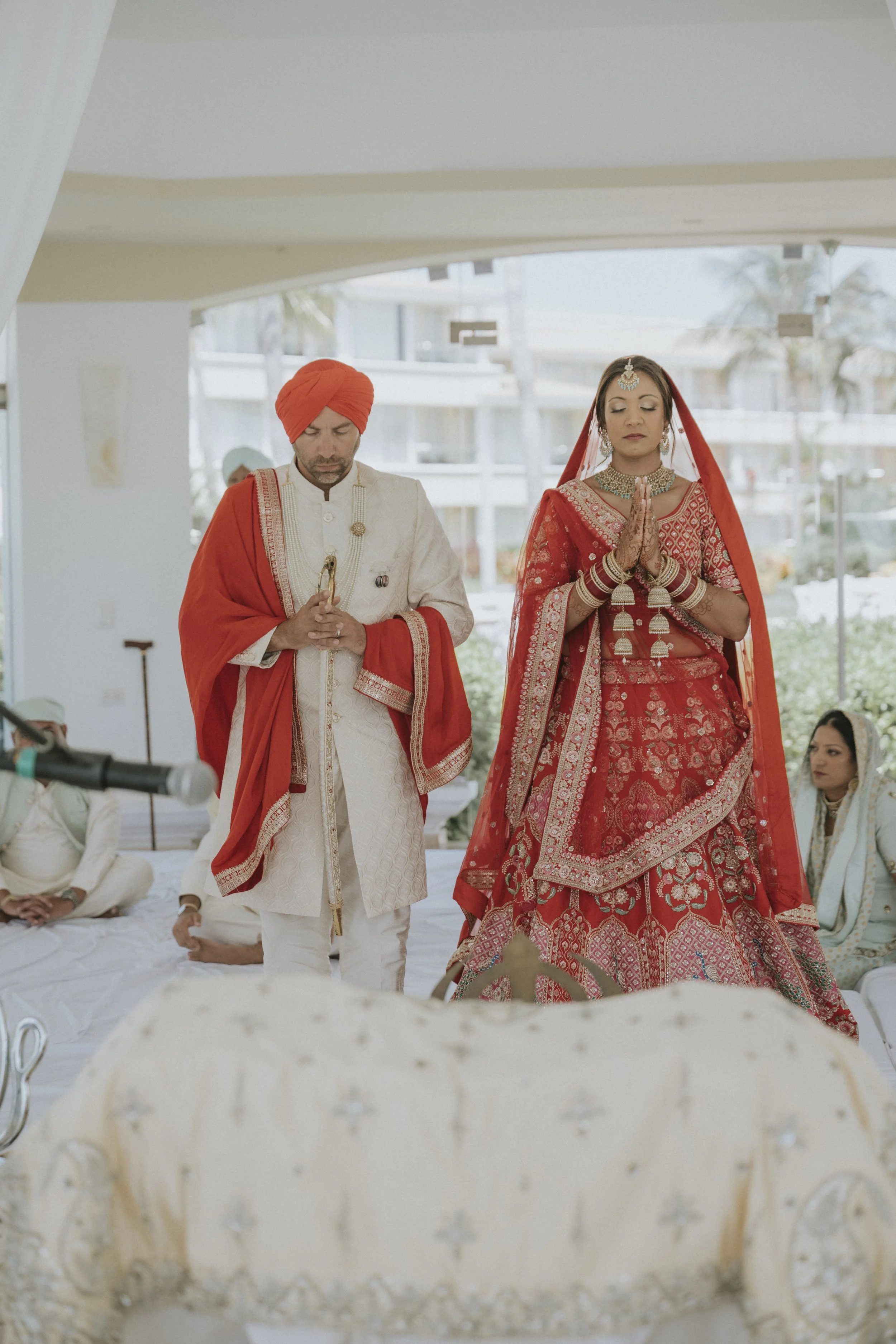
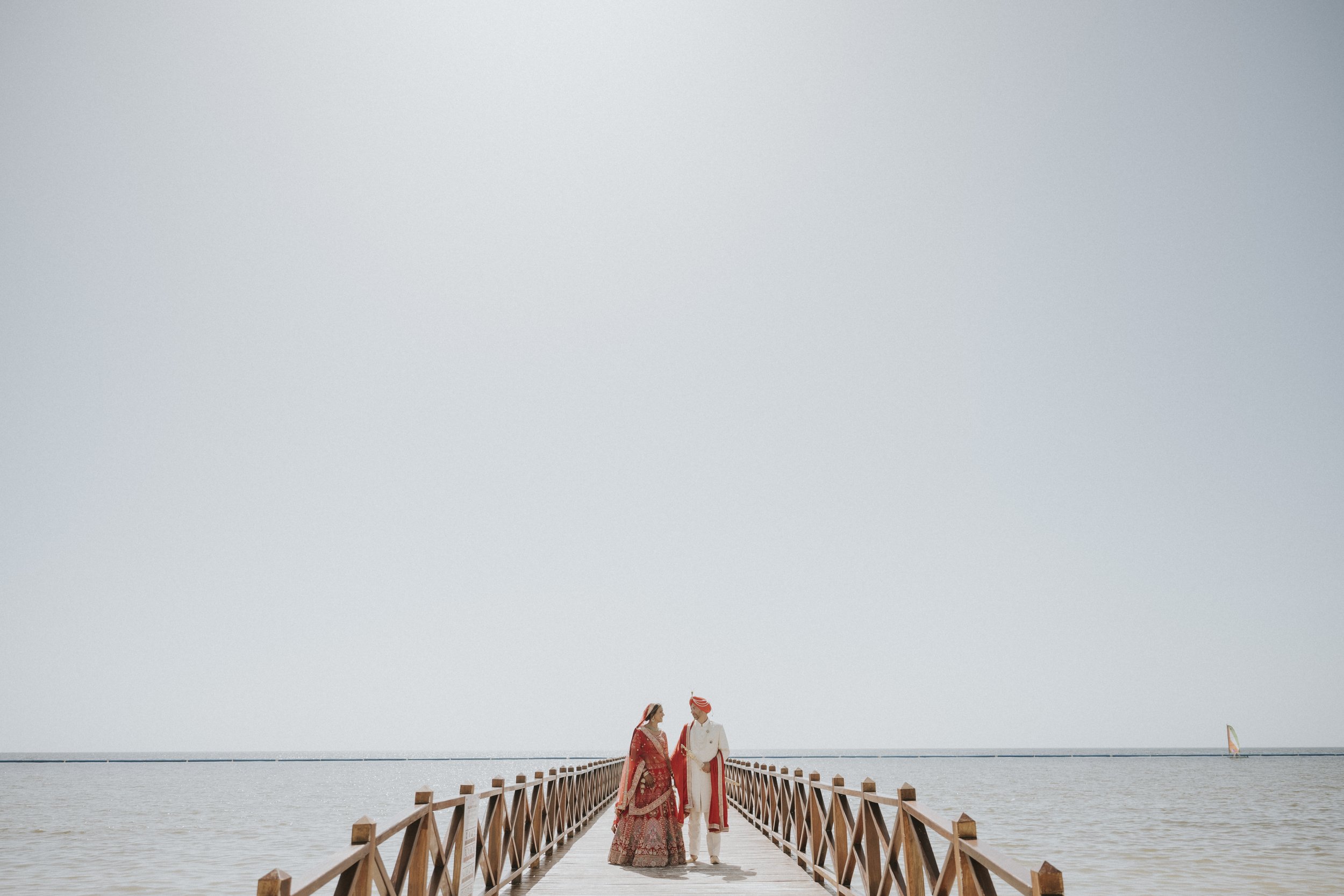
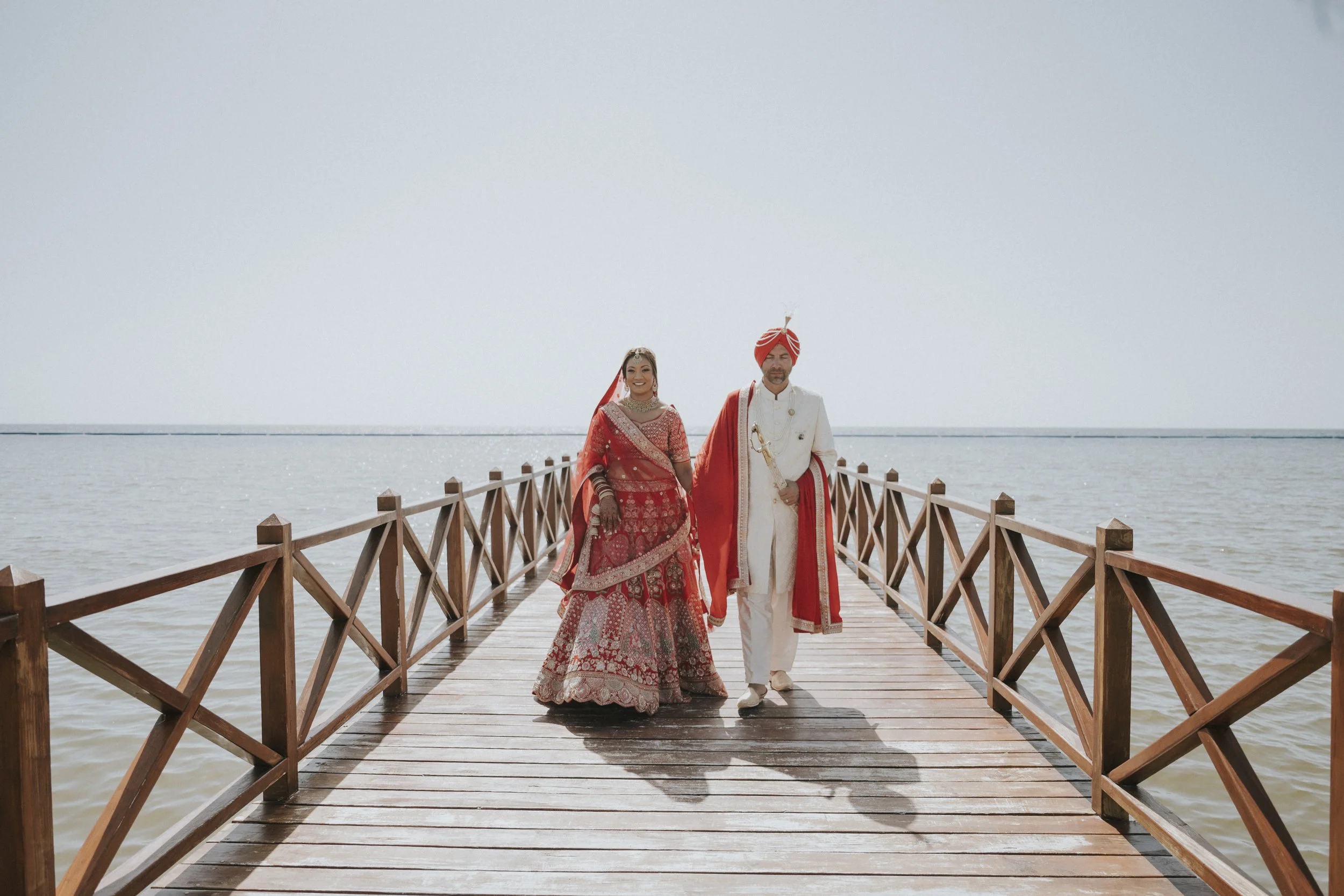
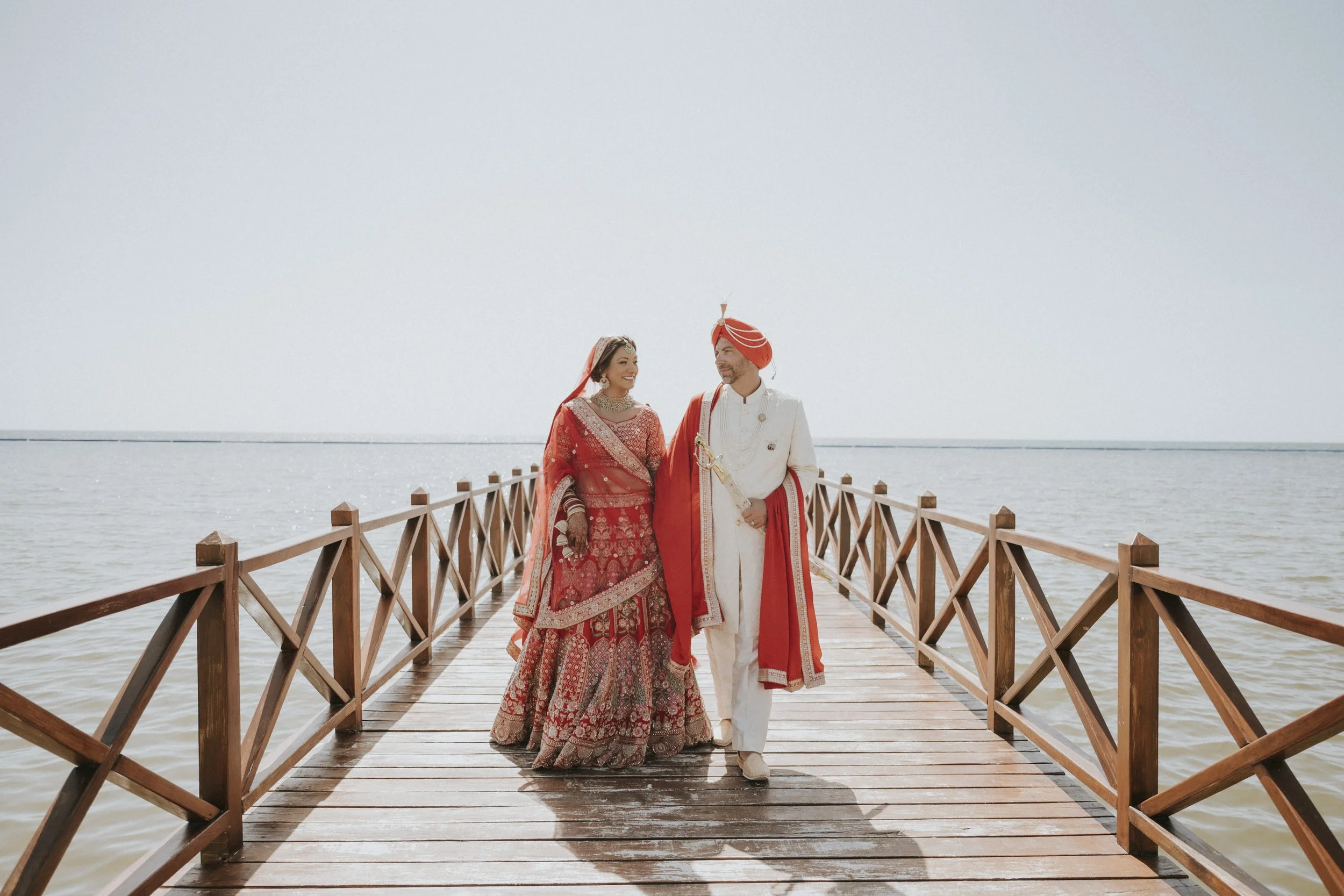
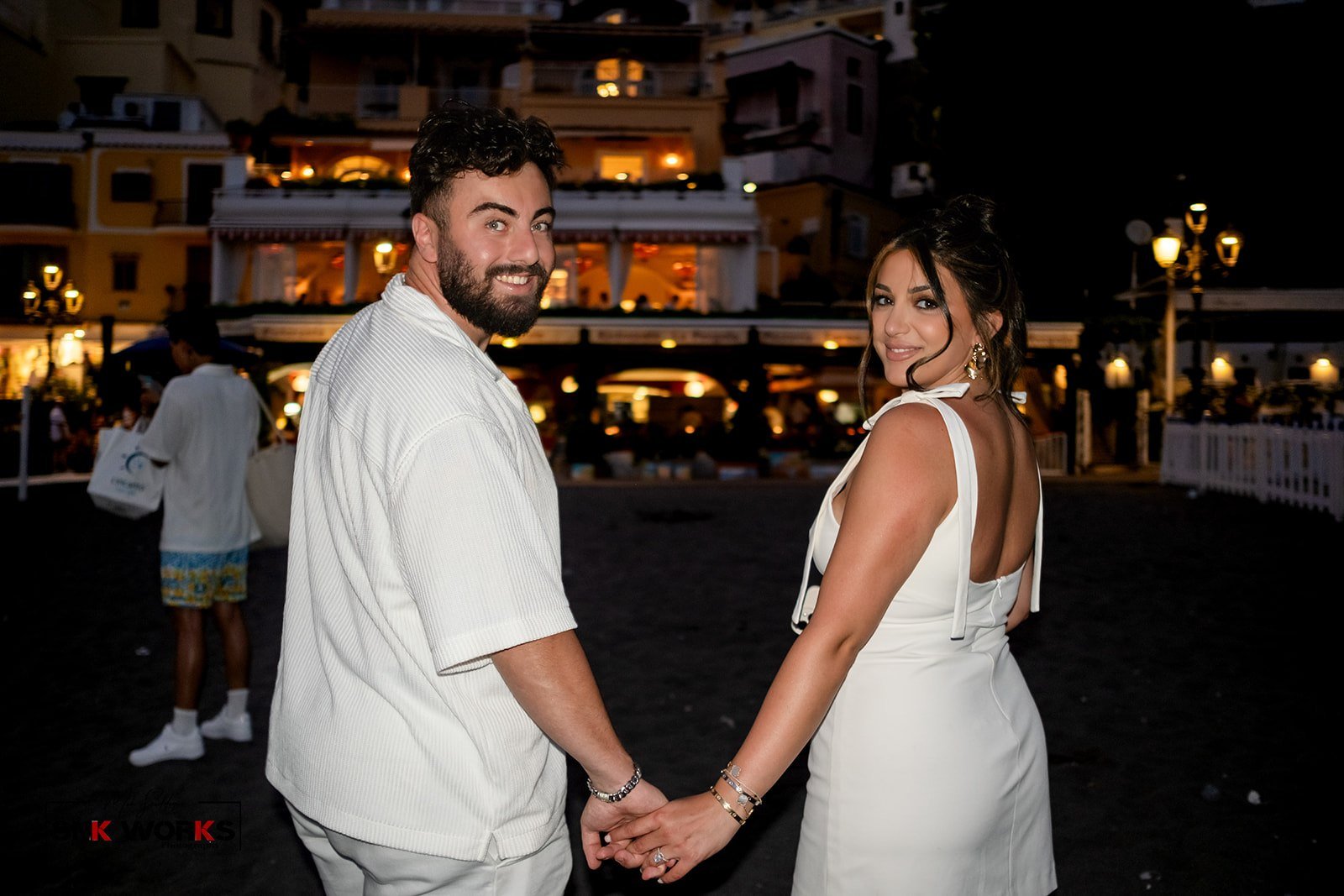
Destination weddings are more than a change of scenery they are an experience. They bring together stunning landscapes, meaningful cultural moments, and the joy of celebrating love in a place that already feels magical. Whether it’s a serene beachfront ceremony, a palace in Rajasthan, or a quiet mountain escape, destination weddings give photographers and videographers an extraordinary opportunity to tell a couple’s story in a fresh, cinematic way.
These events are not just about pretty pictures—they are about documenting a journey that begins in a new place, surrounded by unforgettable moments.
Destination Wedding Photography Checklist: What You Should Always Bring
Traveling for a wedding means packing smart and being prepared for anything. Here are the essentials every destination wedding photographer should have:
Two camera bodies (always have a backup)
A variety of lenses – wide, portrait, and zoom
Extra batteries & charging cables
Multiple memory cards + backups
Tripod or monopod
Flash, diffusers, and reflectors
Weather protection – rain covers, lens cloths, silica gel
A drone, if permitted at the destination
Portable hard drives for same-day backups
Laptop or tablet for previews and storage
Printed copies of contracts, permits, travel details
This preparation ensures you can shoot confidently no matter where you are in the world.
Managing Travel & Logistics for Destination Weddings
Traveling with professional gear requires planning ahead. Here’s what to keep in mind:Pack Smart and SafeUse padded bags, secure compartments, and always keep core equipment in your carry-on.Know the RulesSome countries require photographers to declare professional equipment. Look up customs regulations, drone laws, and permit requirements before you fly.Bring the Right AdaptersDifferent destinations use different outlet types—bring universal adapters and plug converters.Insurance Is a MustProtect your gear from damage, theft, or loss. International insurance gives peace of mind.Always Have a Backup PlanWeather changes, flights get delayed, bags go missing—prepare alternatives and buffer time in your schedule.
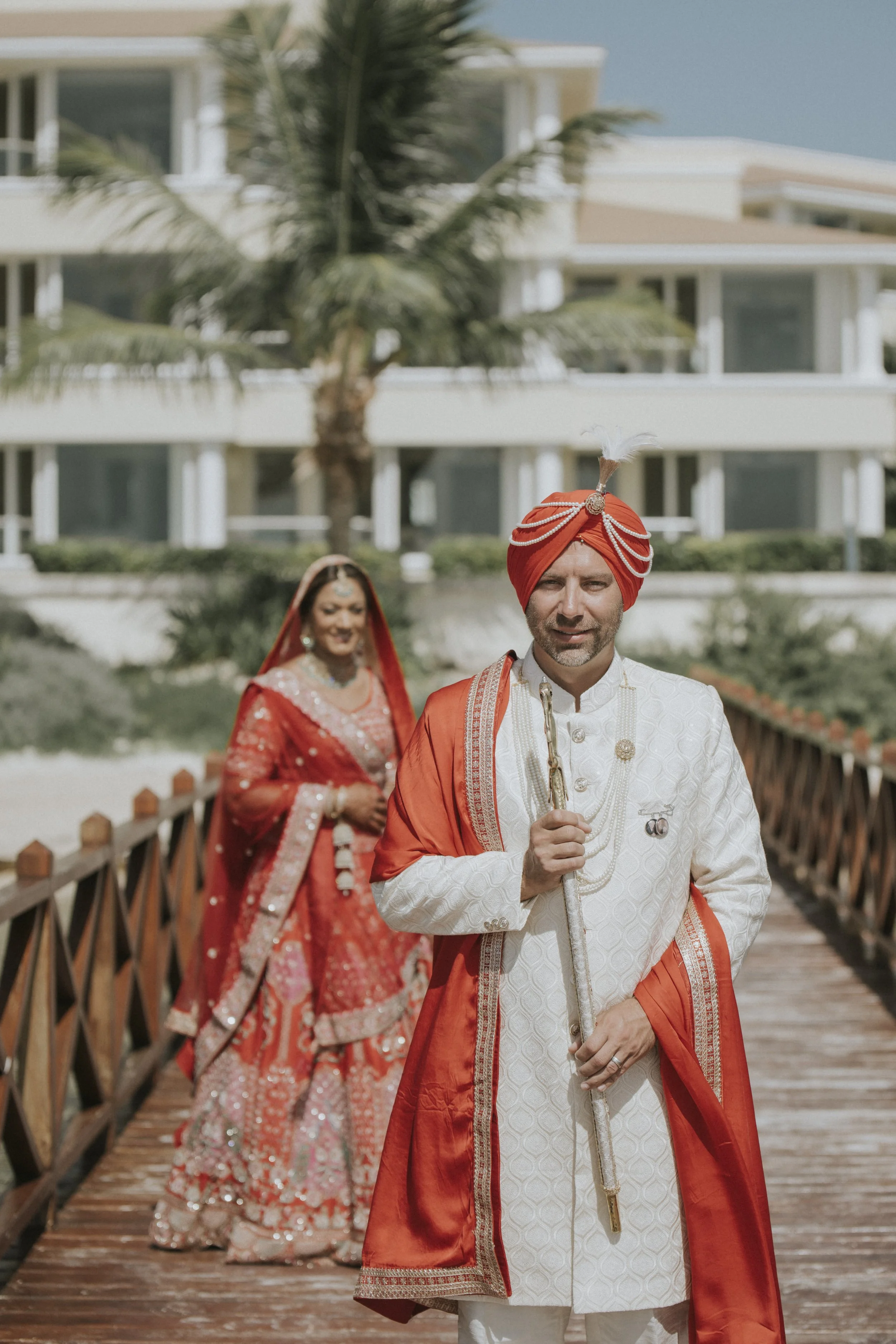
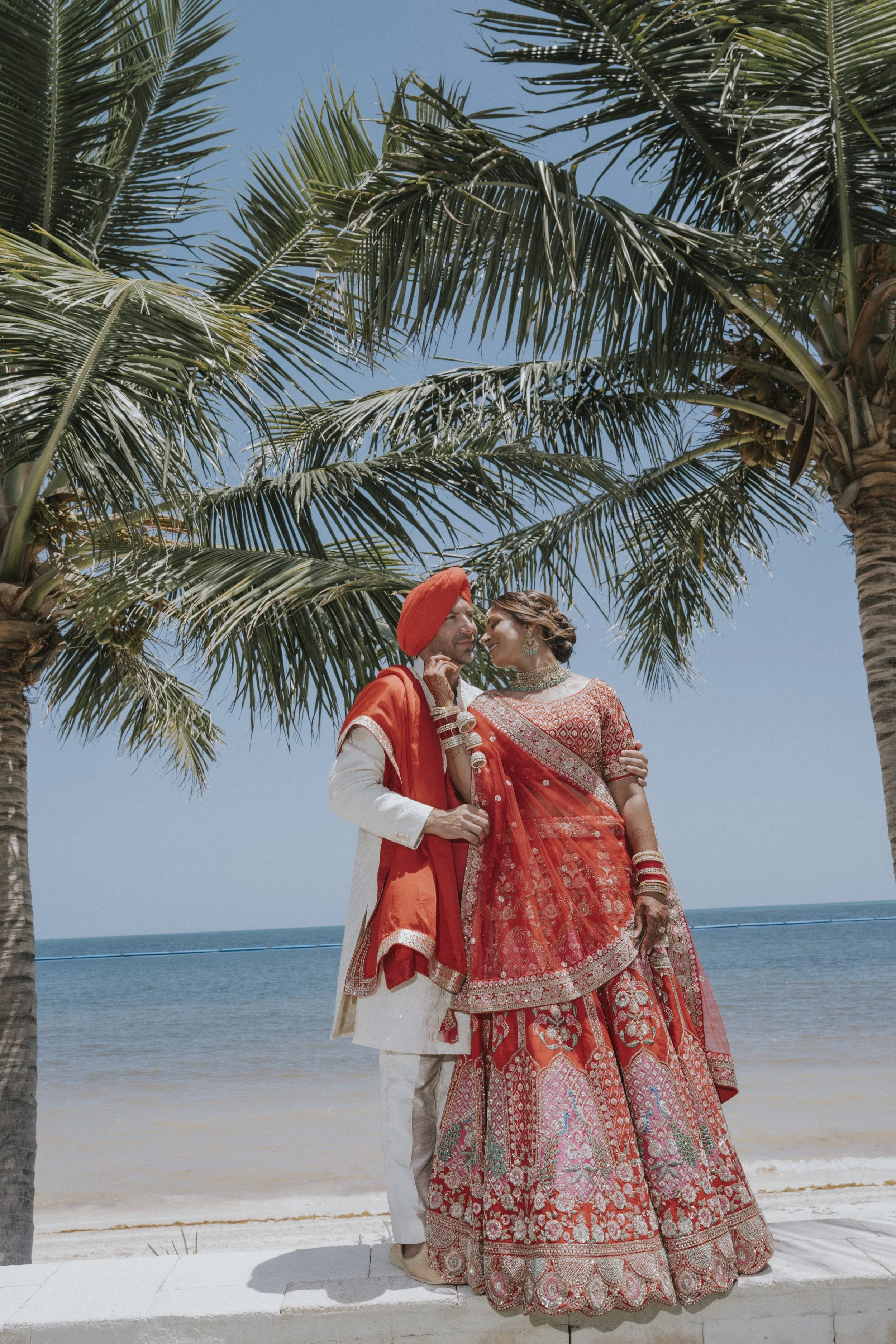
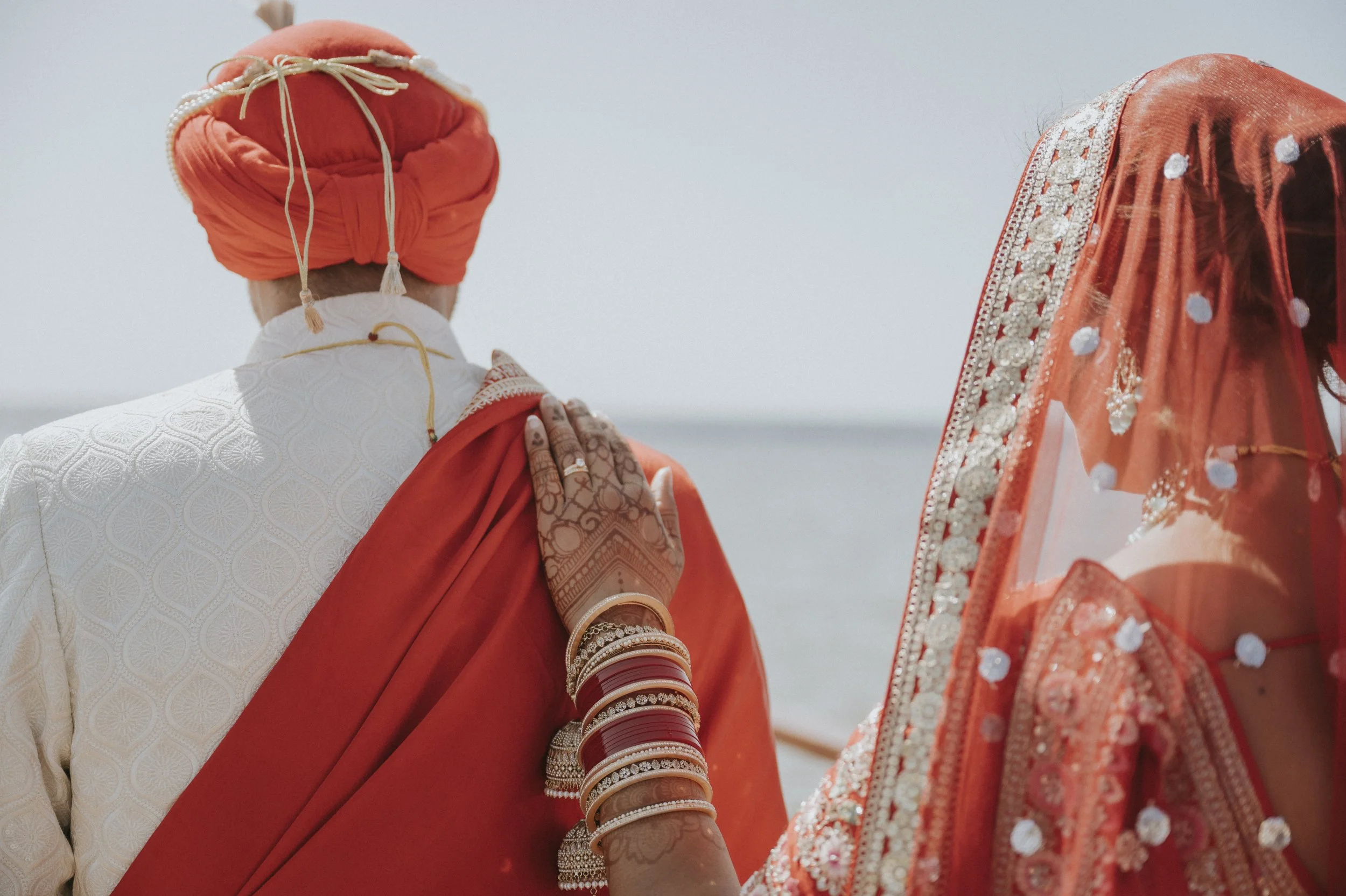
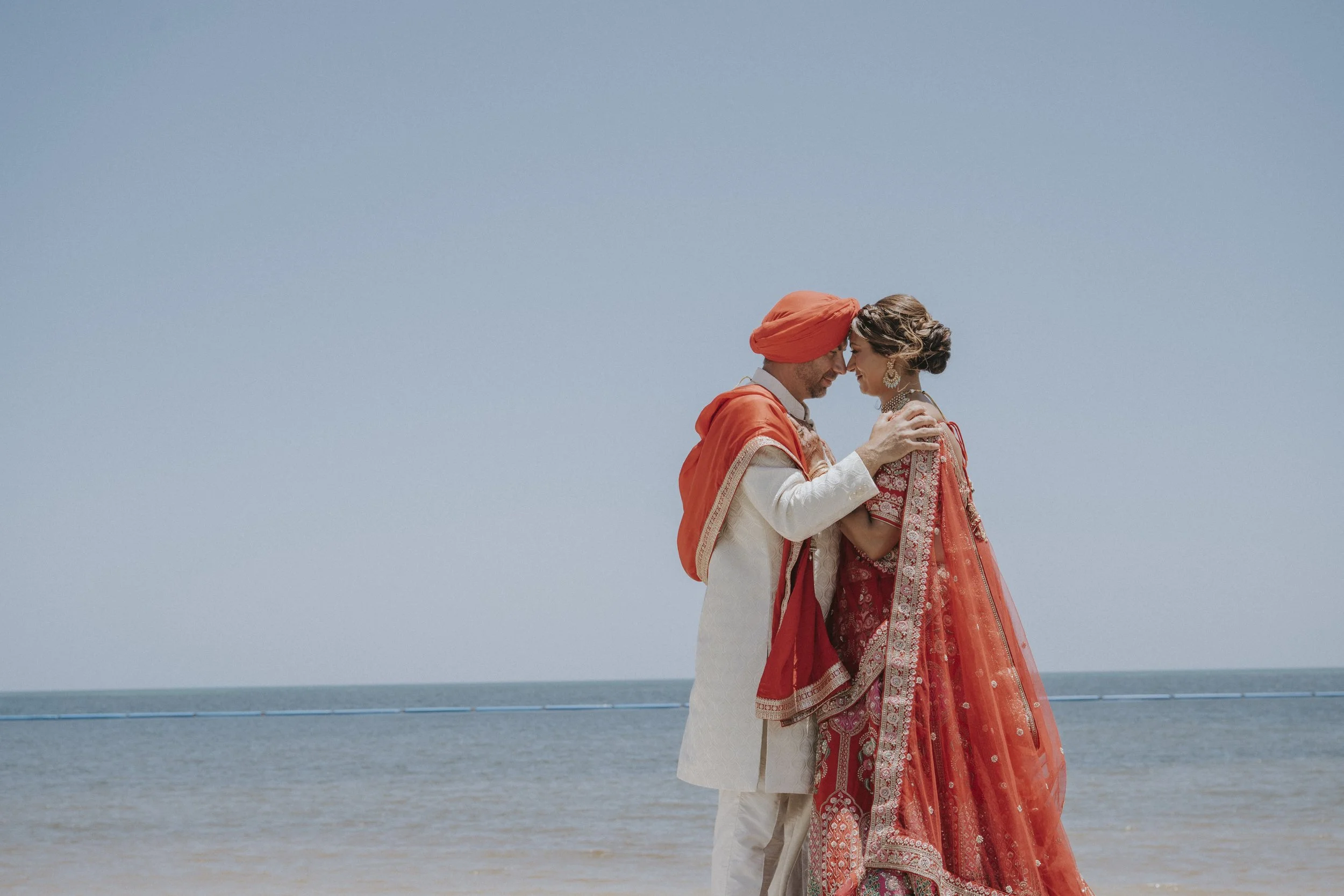
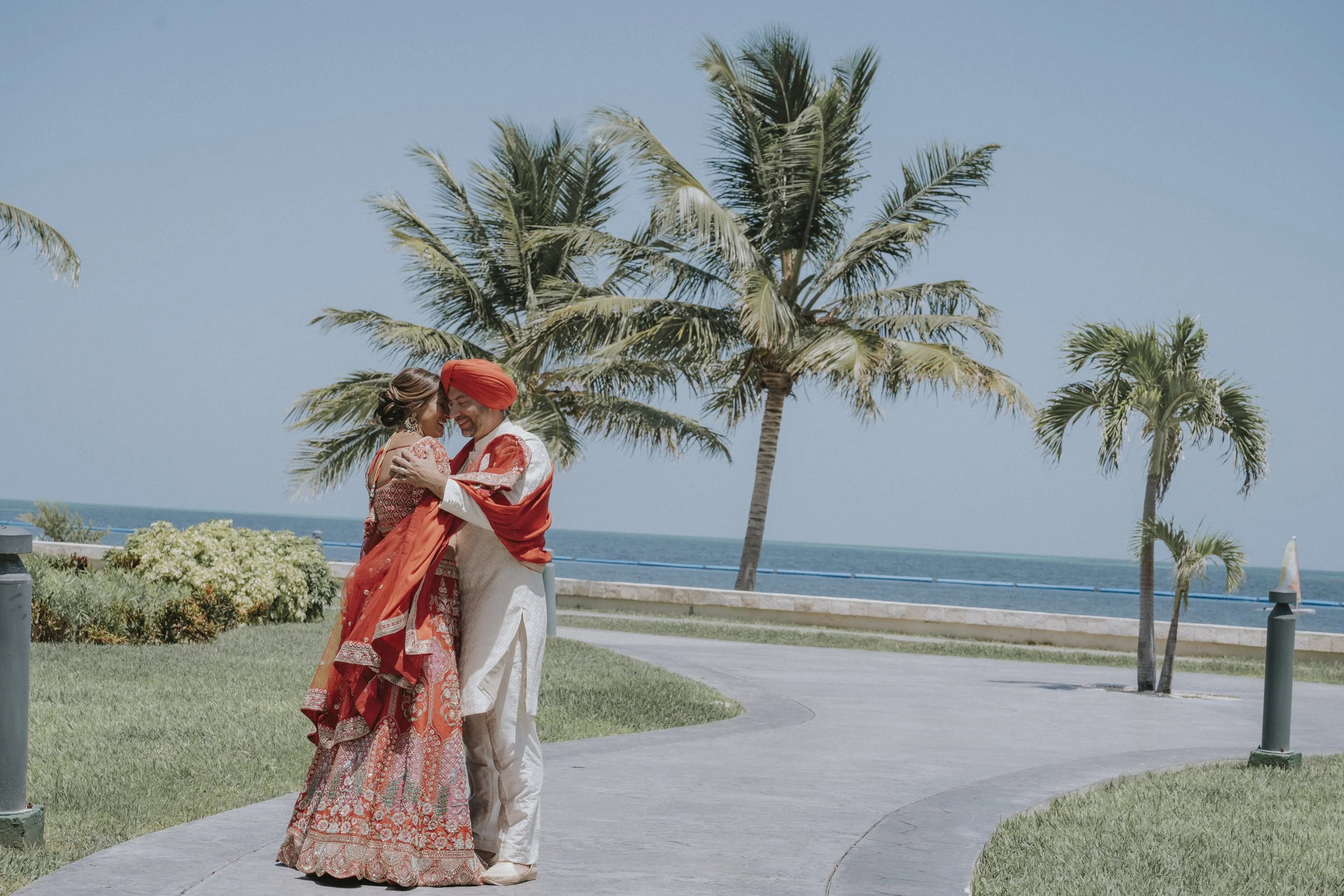
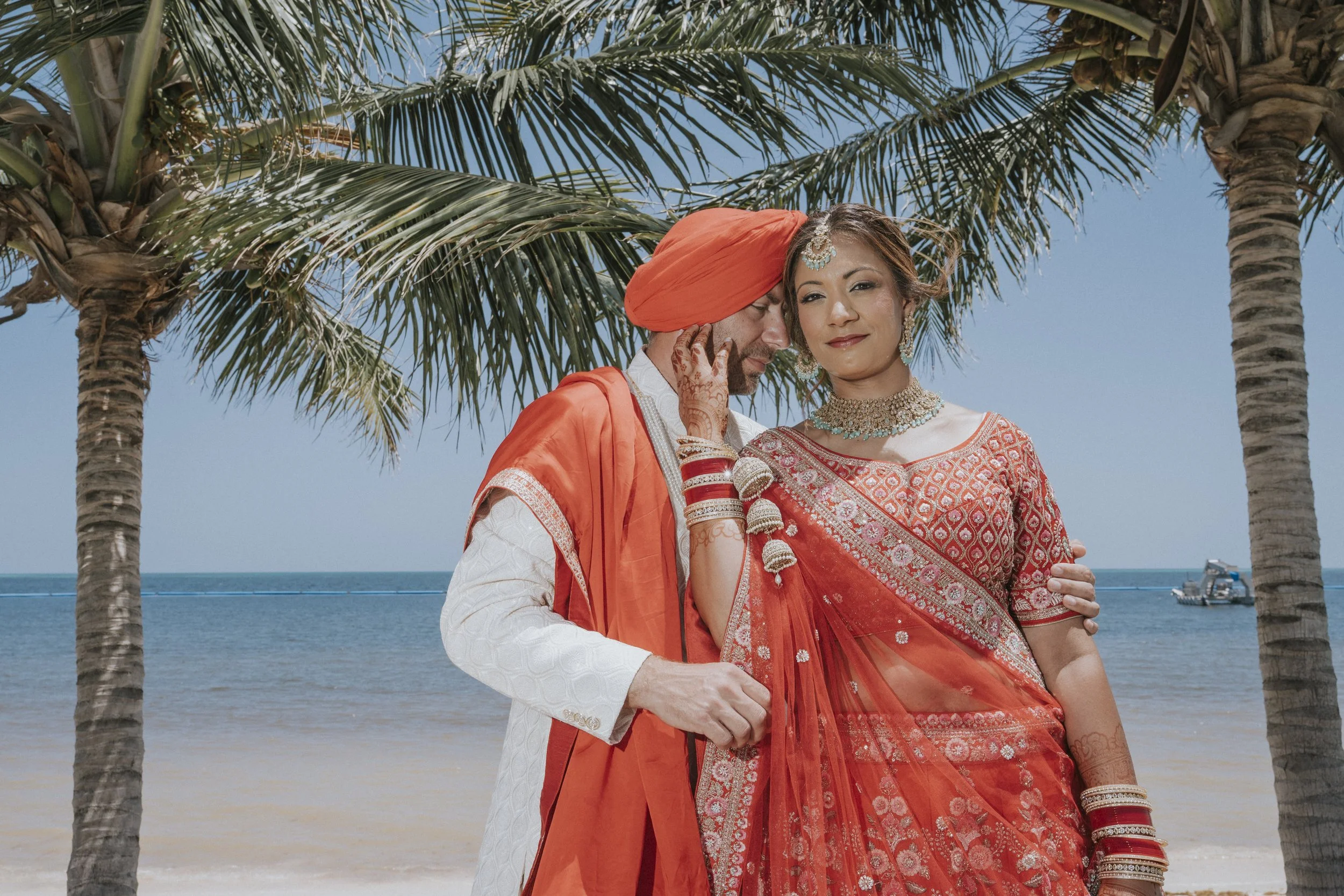
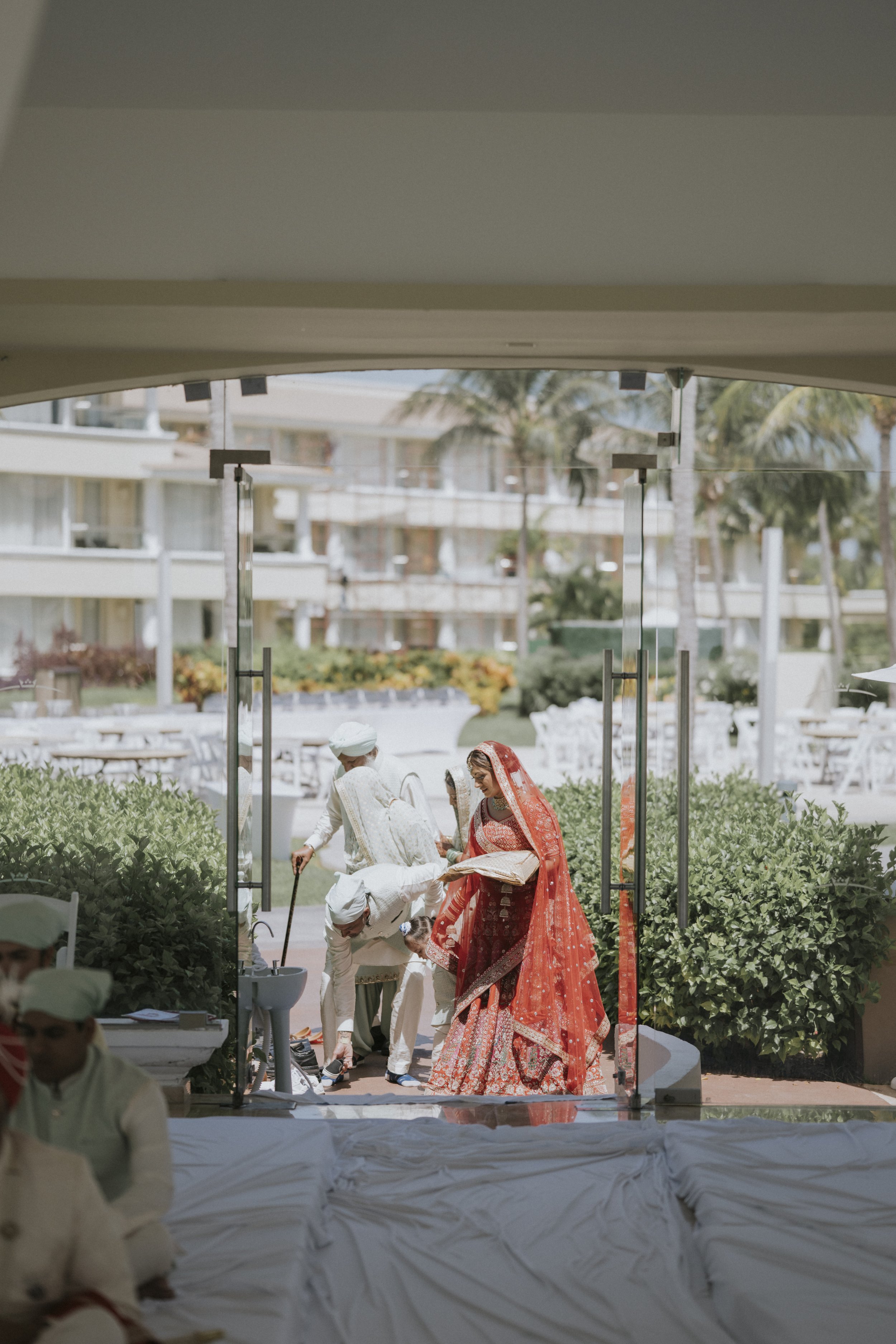
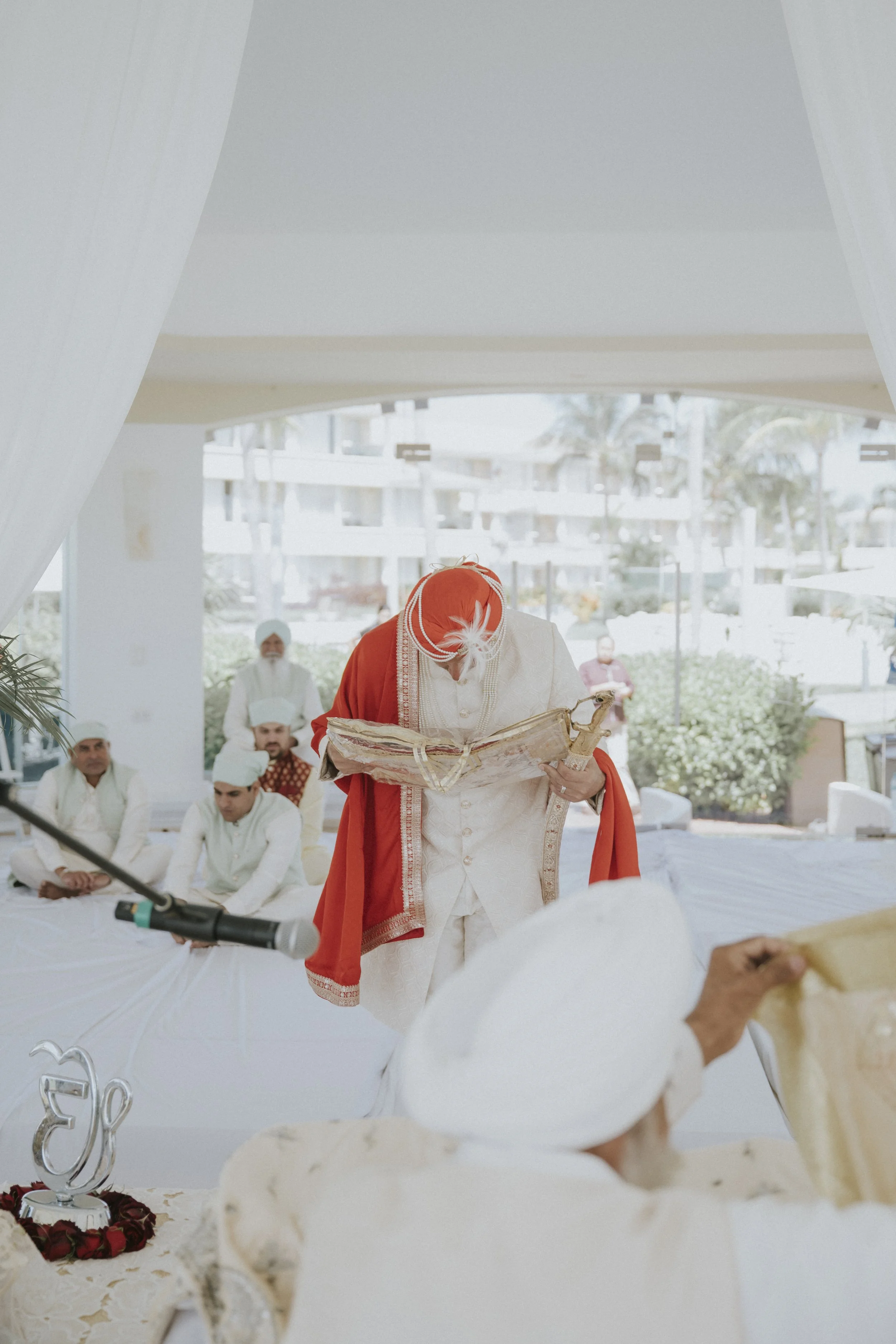

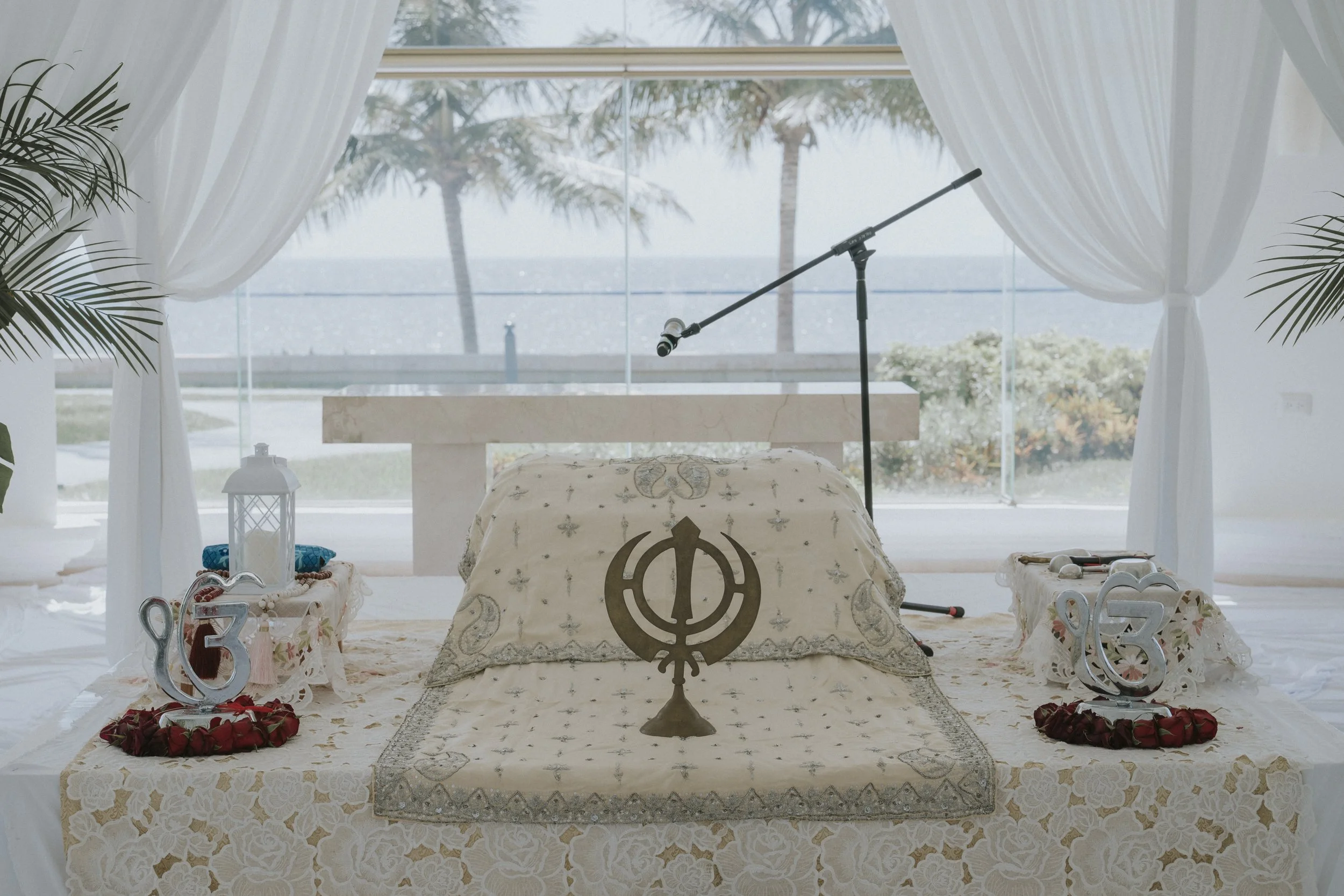
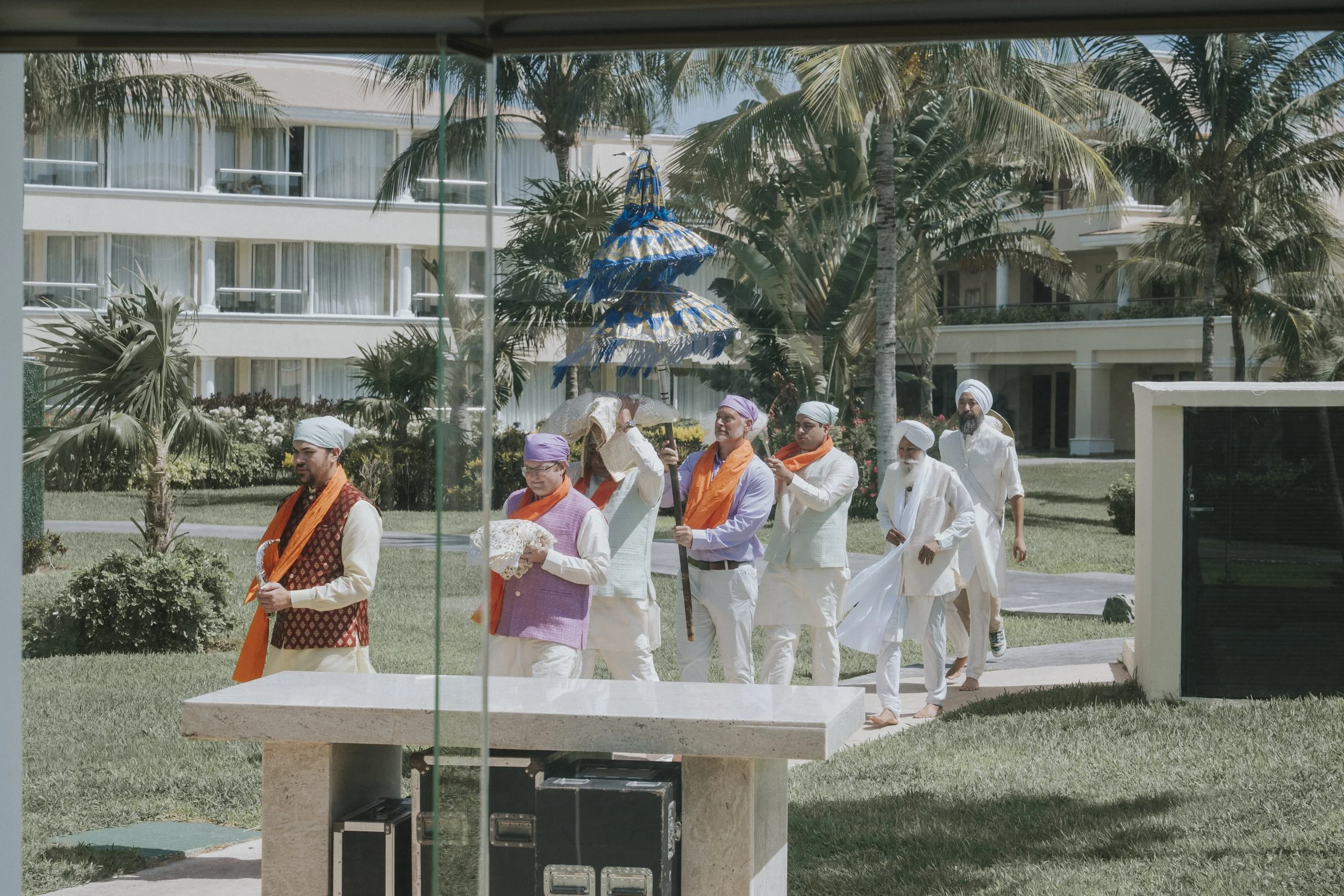
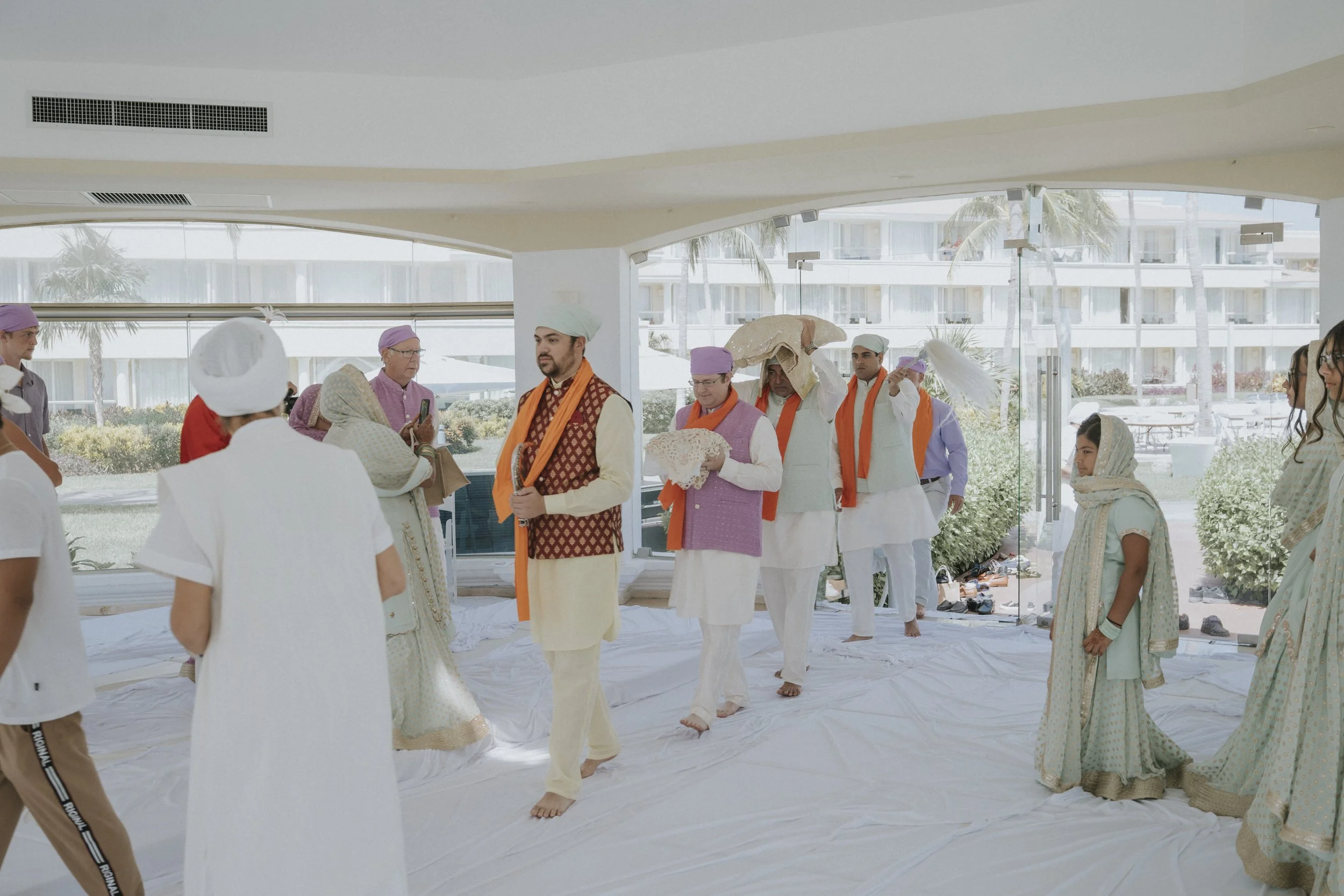
-
Requirements vary by country, but common documents include:
Valid passports
Birth certificates
Affidavit of single status
Divorce or death certificates (if applicable)
Marriage license application
Some couples legally marry at home and hold a symbolic ceremony abroad.
-
Try to arrive 2–3 days before the wedding. You’ll have time to scout, test lighting, and recover from travel.
-
Yes, some places need filming or drone permits. Always check ahead.
-
Traditionally, guests pay for their own travel and accommodations. Couples cover their own room, events, and any additional hospitality they choose to offer.
-
Yes. Your price should include travel costs and extra time. Be transparent with your clients. Price Your Services Wisely
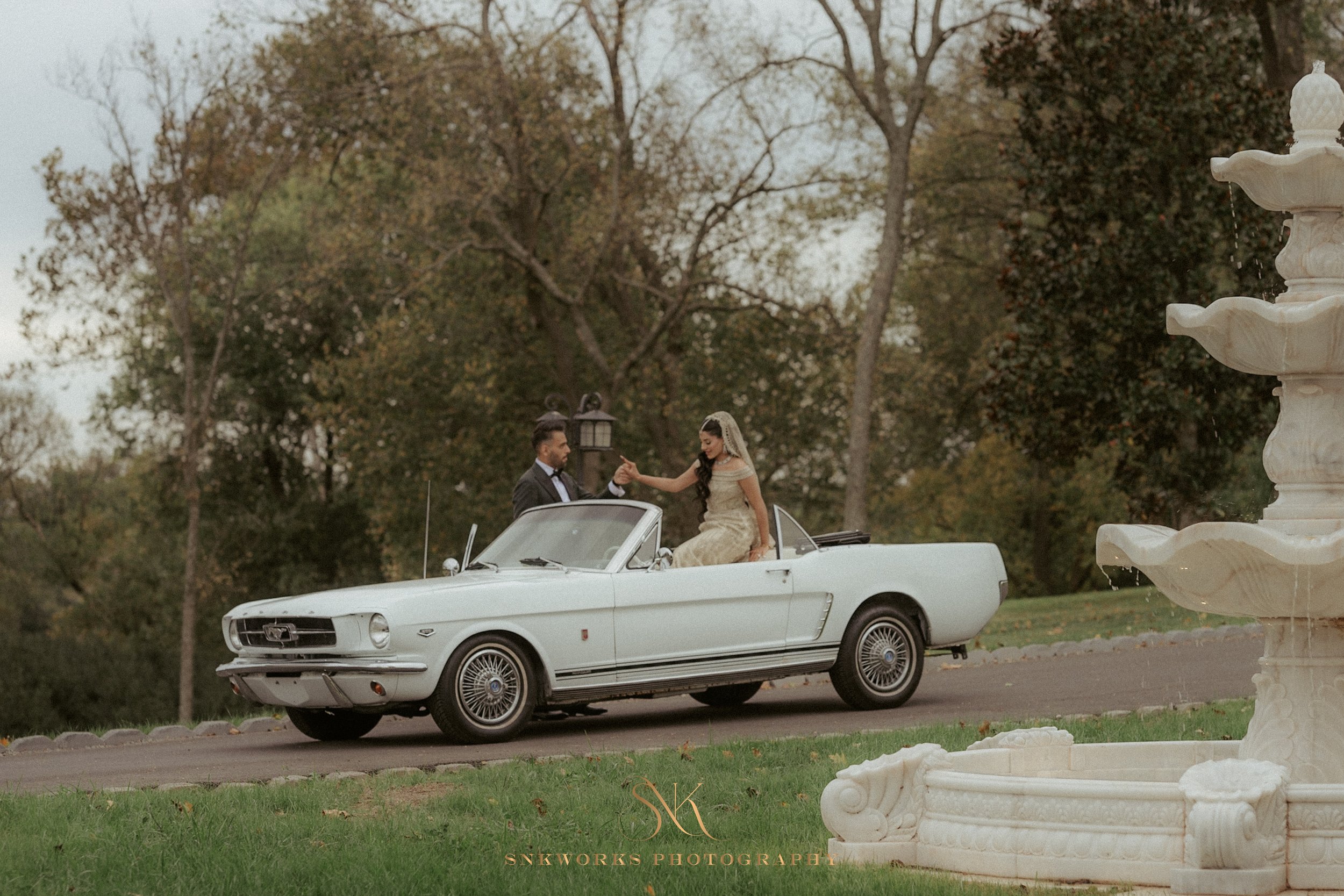

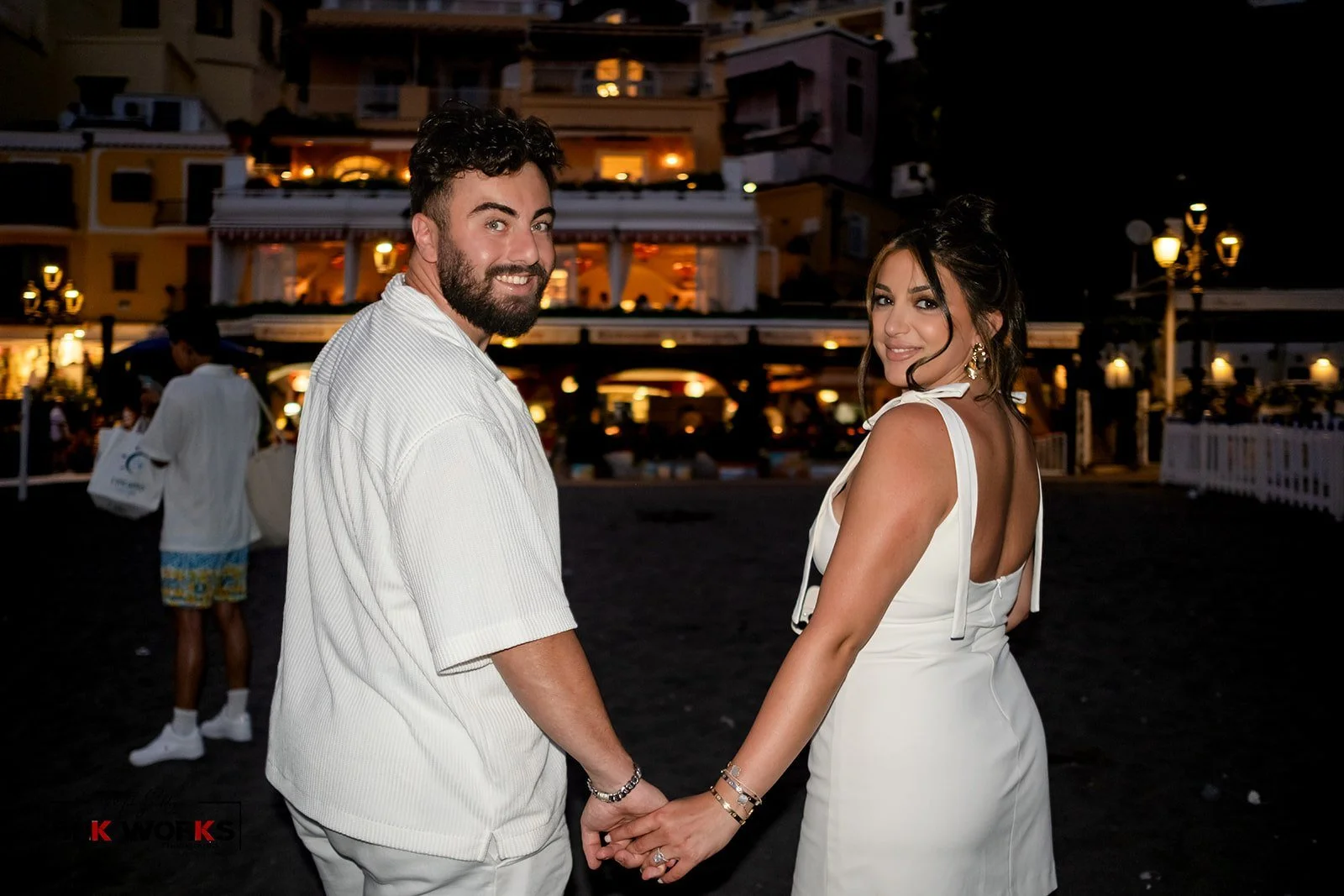
Destination weddings are exciting and beautiful. They give couples a chance to say their vows in a stunning location while giving photographers and videographers the perfect backdrop to tell their love story. But along with the beauty comes planning, packing, and a lot of coordination. If you're a wedding photographer or videographer traveling for work, this guide is here to help you stay prepared and stress-free.
Working with Local VendorsMany destination couples already work with local planners, florists, decorators, and officiants. Building a connection with their vendor team early helps the day run smoothly.Send a warm introduction via email or video call.Review the full schedule and understand any cultural or religious rituals.Ask about filming or photography restrictions at the venue.Coordinate timelines so you never miss key moments.
Strong communication creates a more seamless experience for both the couple and the vendor team.Be Ready for Any WeatherWeather can shift quickly in coastal, tropical, or mountain destinations—so preparation matters.Bring:Protective covers for cameras and lensesA list of indoor or shaded backup locationsPortable lighting setups for low-light or rainy conditionsClear umbrellas (they look elegant in photos and keep everyone dry)
Being weather-ready ensures you continue capturing beautiful moments, no matter what the day brings.Understand Local Laws & CultureEvery country—and sometimes every venue has its own rules. Research them well before you arrive.Pay attention to:Drone regulations — many countries restrict or ban dronesFilming rules at religious temples, mosques, churches, or public monumentsDress codes, especially at cultural or sacred locationsPhotography limitations during ceremonies or rituals
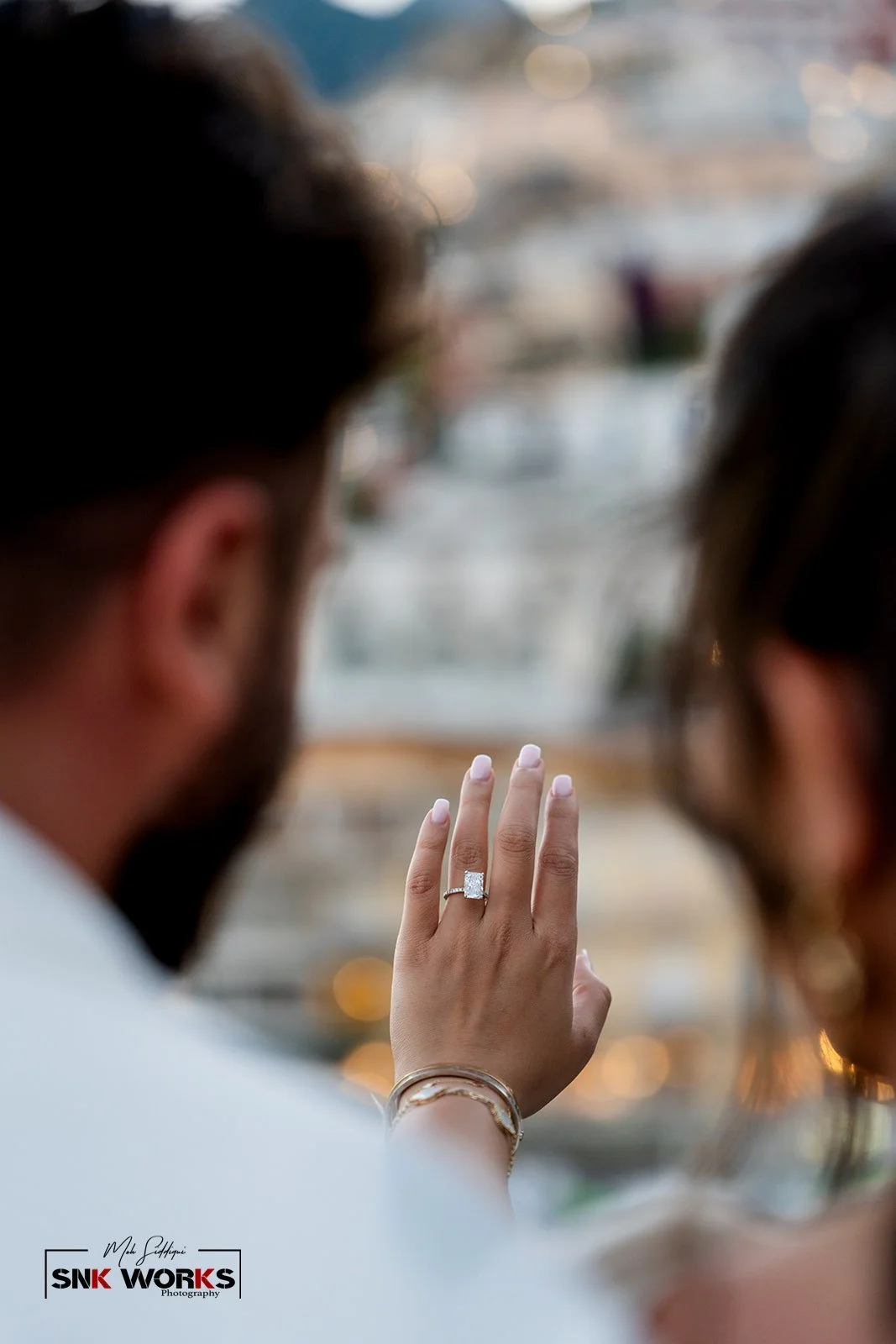
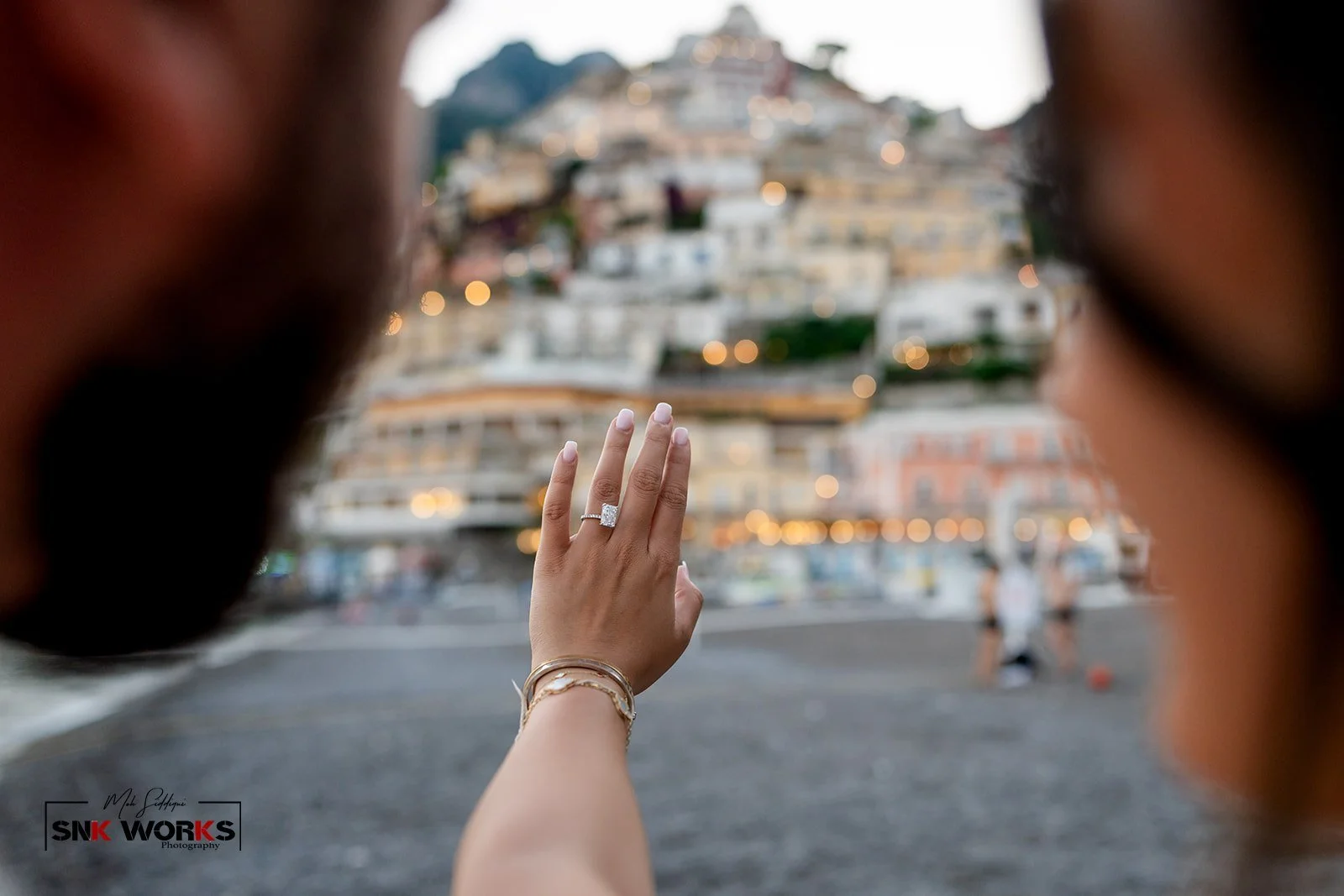
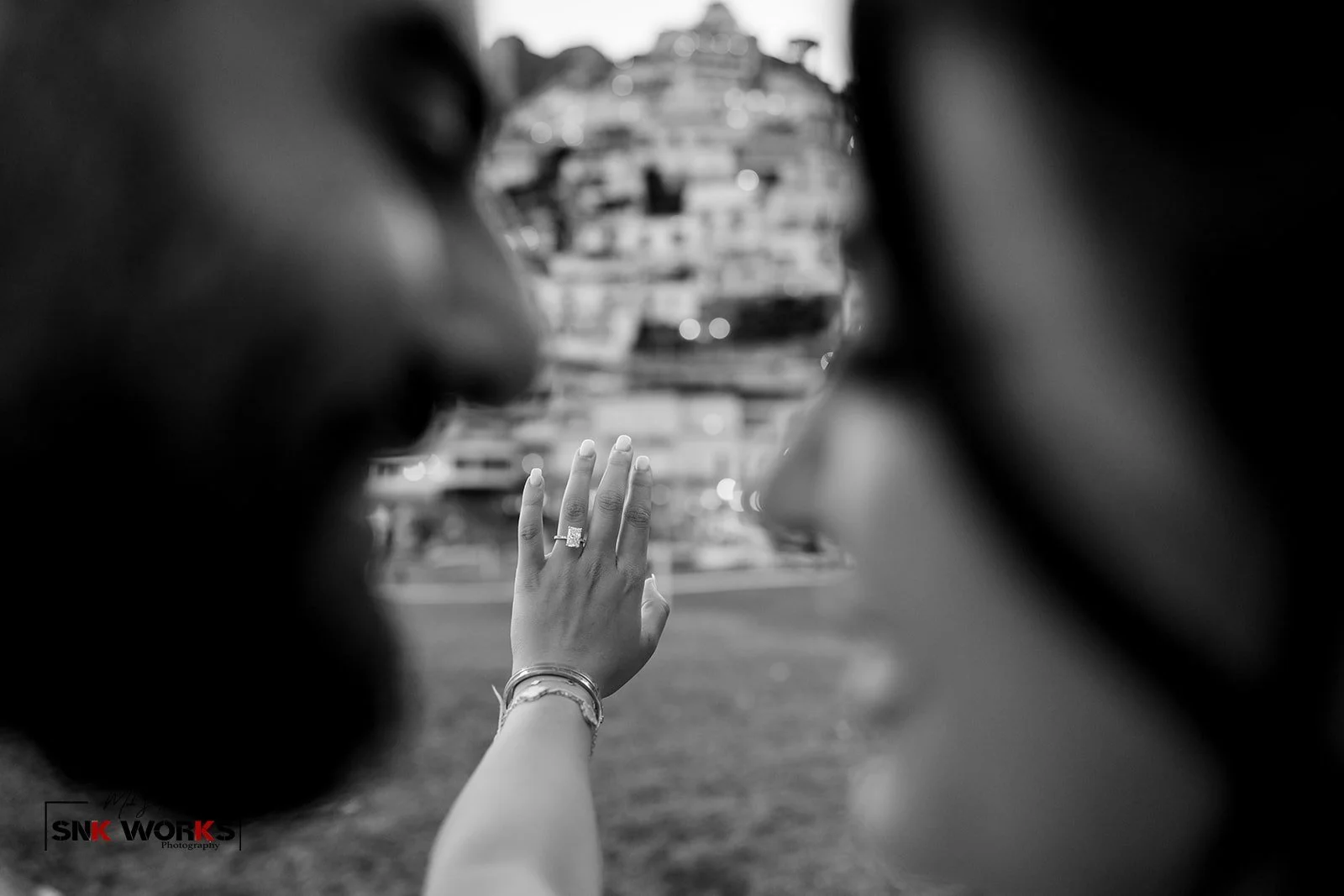
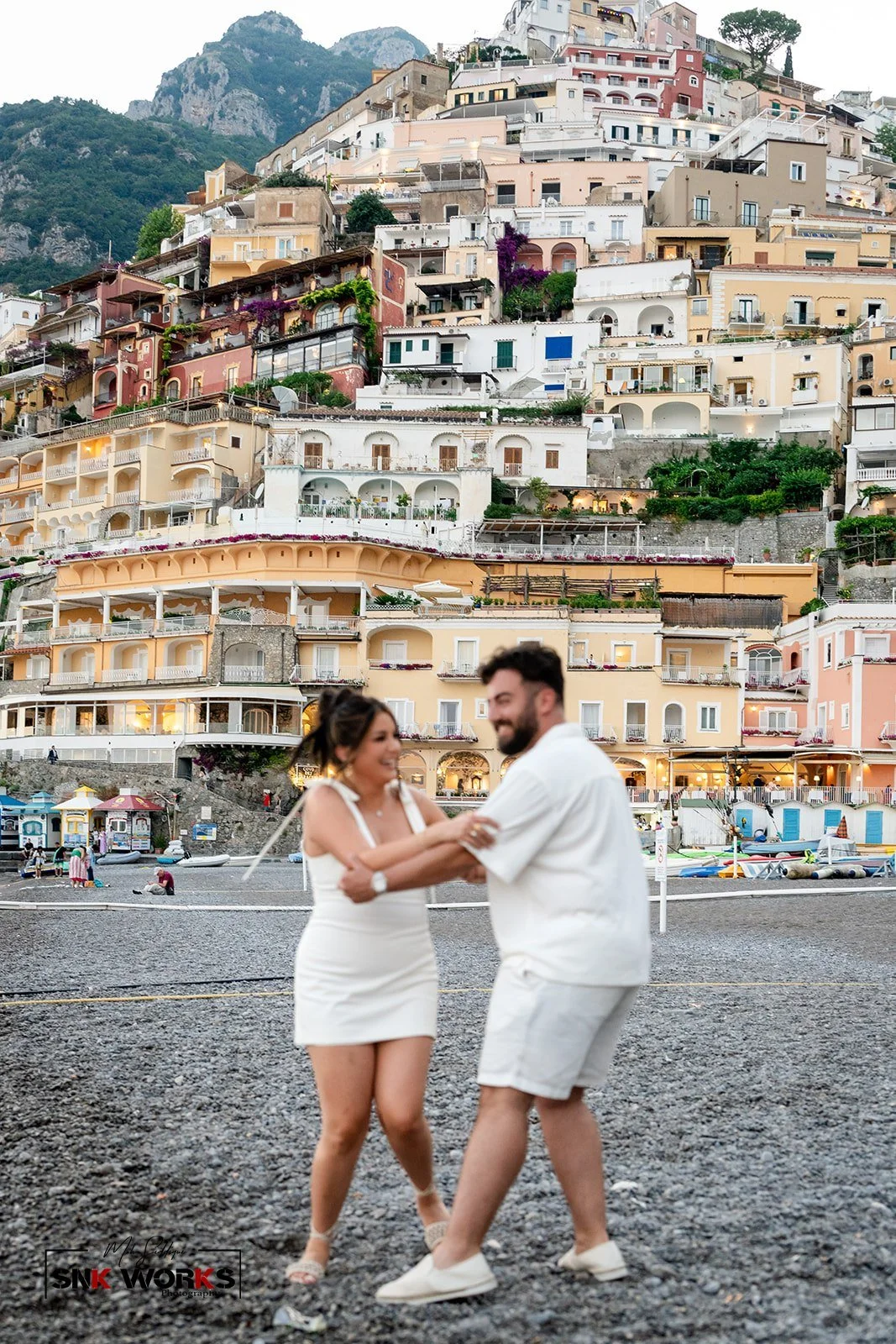
Respecting local traditions and laws helps you document the event with professionalism and cultural sensitivity.Tell the Full StoryDestination weddings are not just about the ceremony they're an entire experience. Capture the full journey.The couple’s travel moments, quiet mornings, and local adventuresDetail shots like décor, local food, architecture, and sceneryEmotional behind-the-scenes moments during getting readyShort interviews, audio notes, or voiceovers that bring the story to life
These elements create a film or gallery that feels immersive, personal, and truly unforgettable.Price Your Services WiselyDestination weddings require more time, planning, and expenses than local events. Be transparent and clear about how your pricing works.Your rate should consider:Flights, lodging, meals, and transportationDays spent traveling and working abroadAdditional permits, insurance, and equipment needsEditing timelines for large multi-day events
Clear pricing builds trust and ensures both you and the couple feel confident moving forward.Destination weddings are more than a celebration, they are a story waiting to be told. Every location, every tradition, and every small moment becomes part of a larger narrative that the couple will treasure for a lifetime. With the right preparation, communication, and creative vision, photographers can transform a beautiful destination into timeless memories.
📸 SNKWORKS Photography & Films specializes in South Asian, multicultural, and luxury destination weddings across the U.S. and worldwide.
From breathtaking landscapes to intimate ceremonies, our team brings cinematic storytelling, cultural expertise, and heartfelt artistry to every celebration.
🌐 Website: snkworks.com
📷 Instagram: @snkworks_
📘 Facebook: facebook.com/SNKworks
▶️ YouTube: @TheSouthAsianPhotographer
📌 Pinterest: snkworks_indianweddings
📍 WeddingWire: SNKWORKS Photography
💡 For corporate and branded events: OMGVA.com




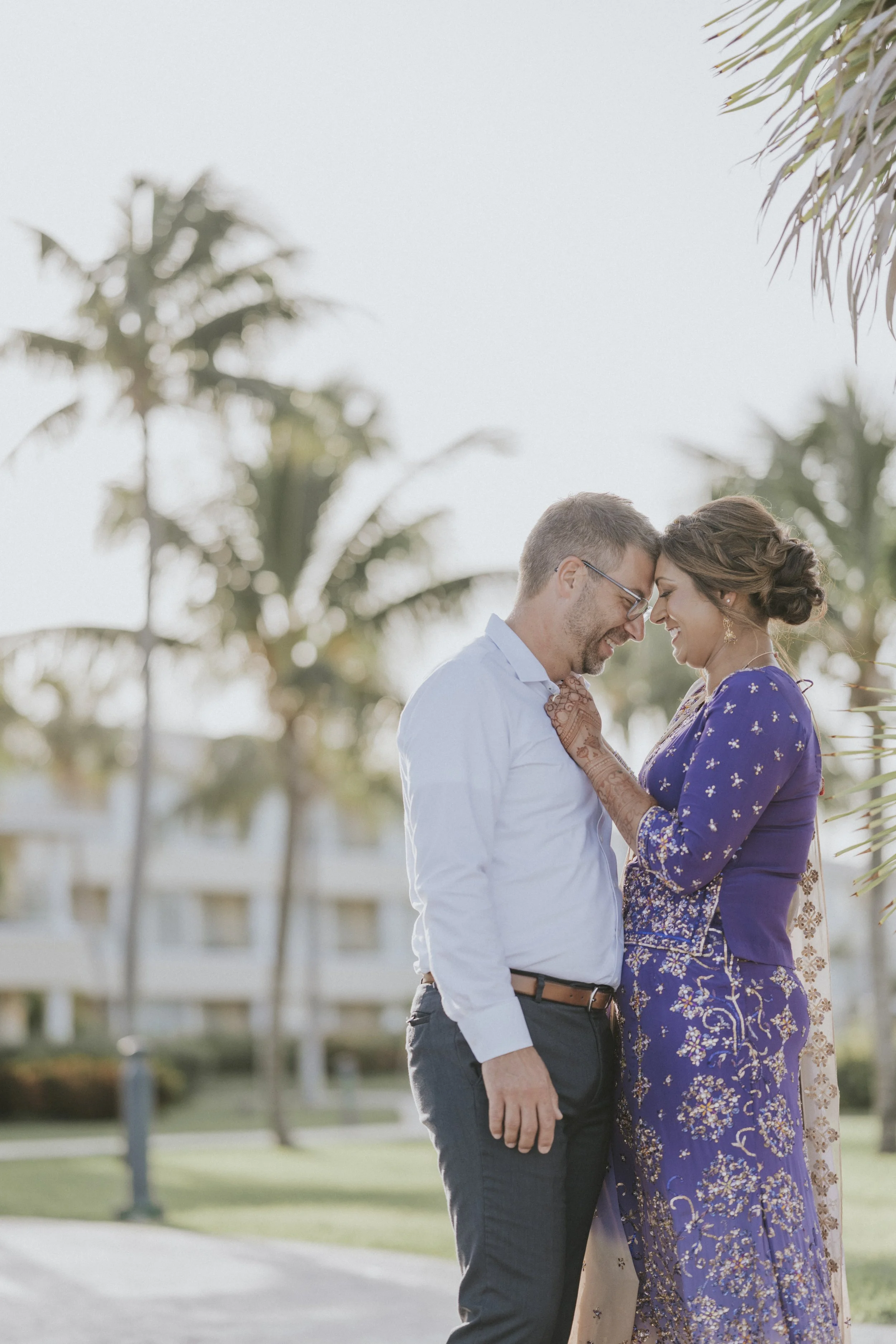


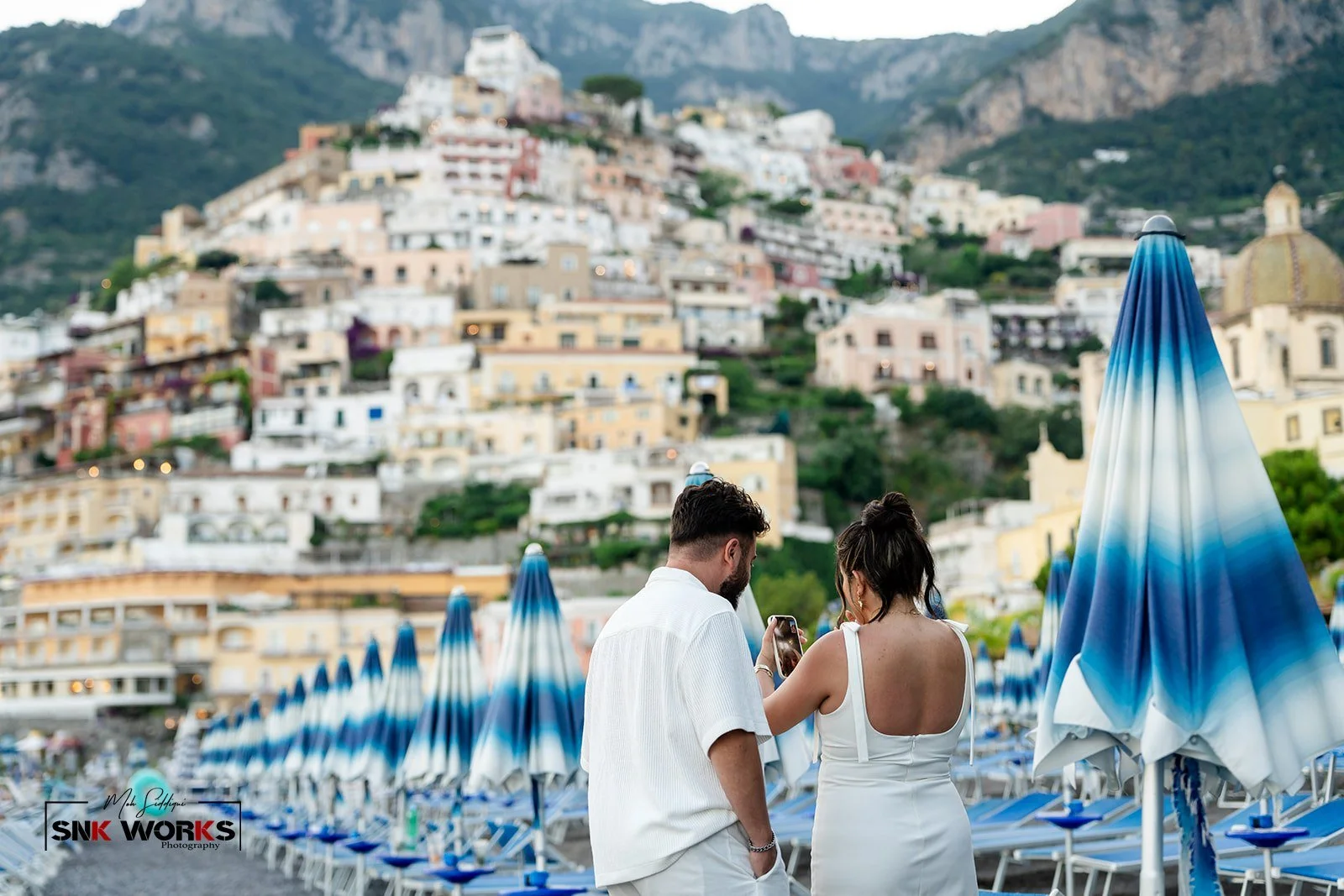
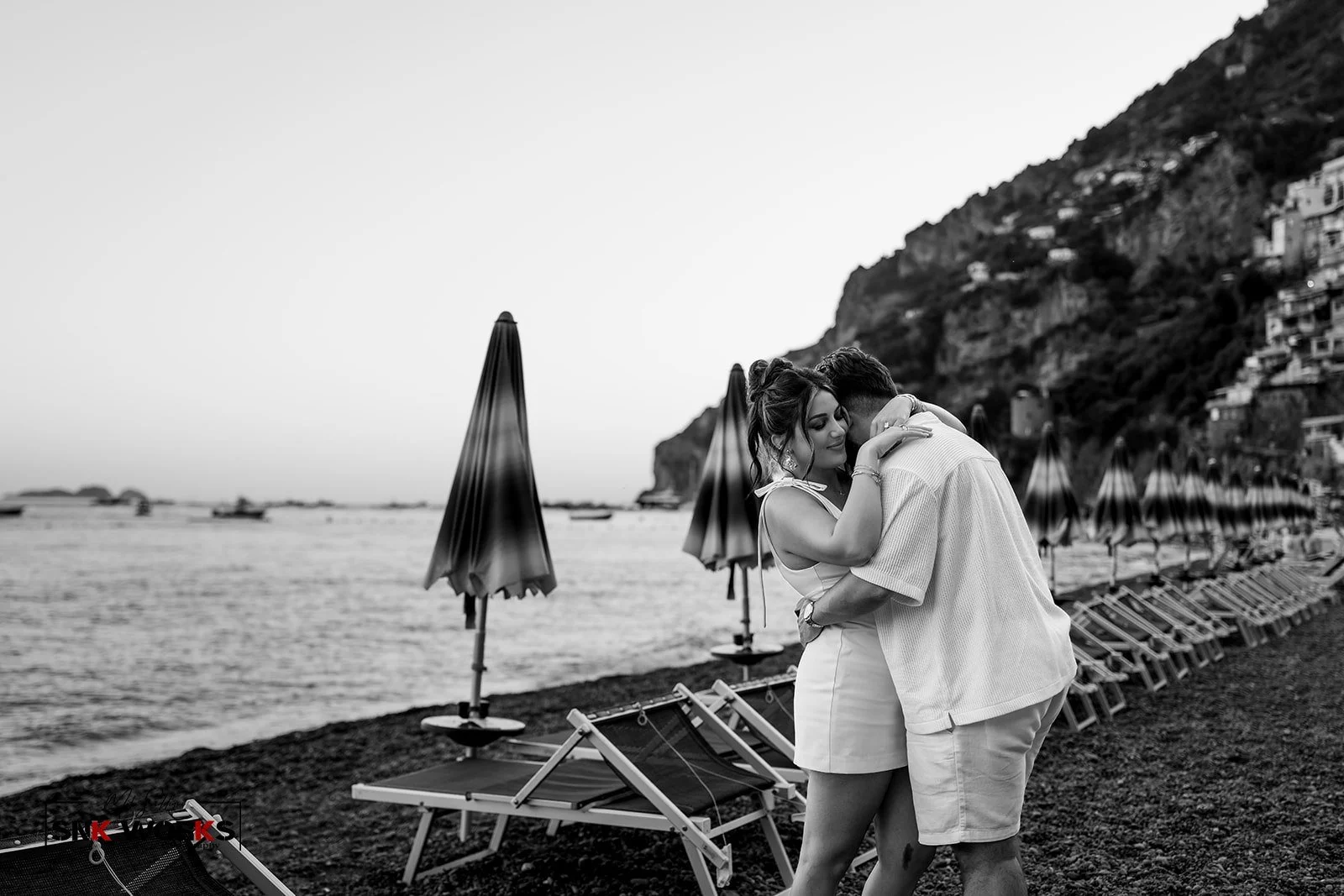
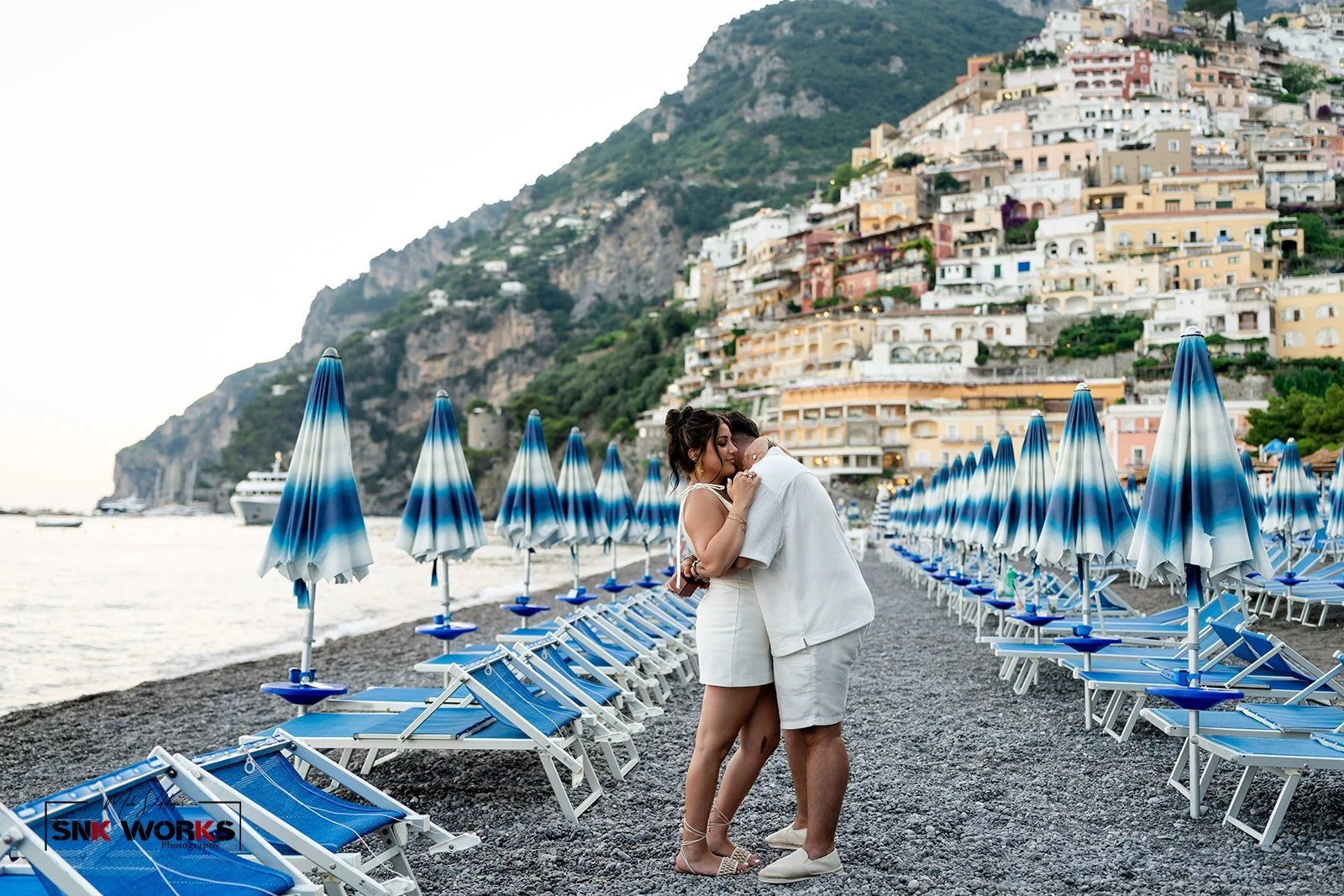
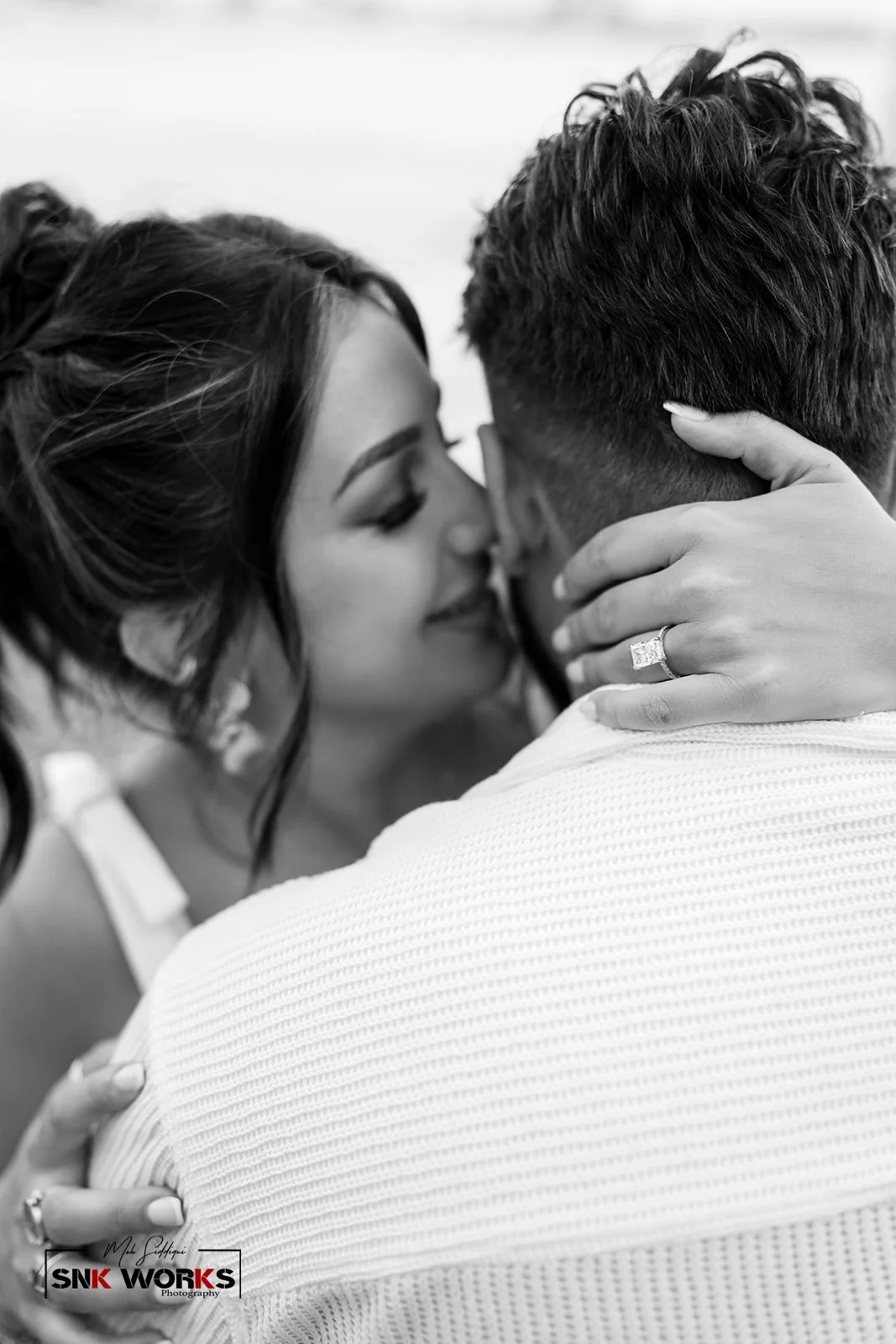
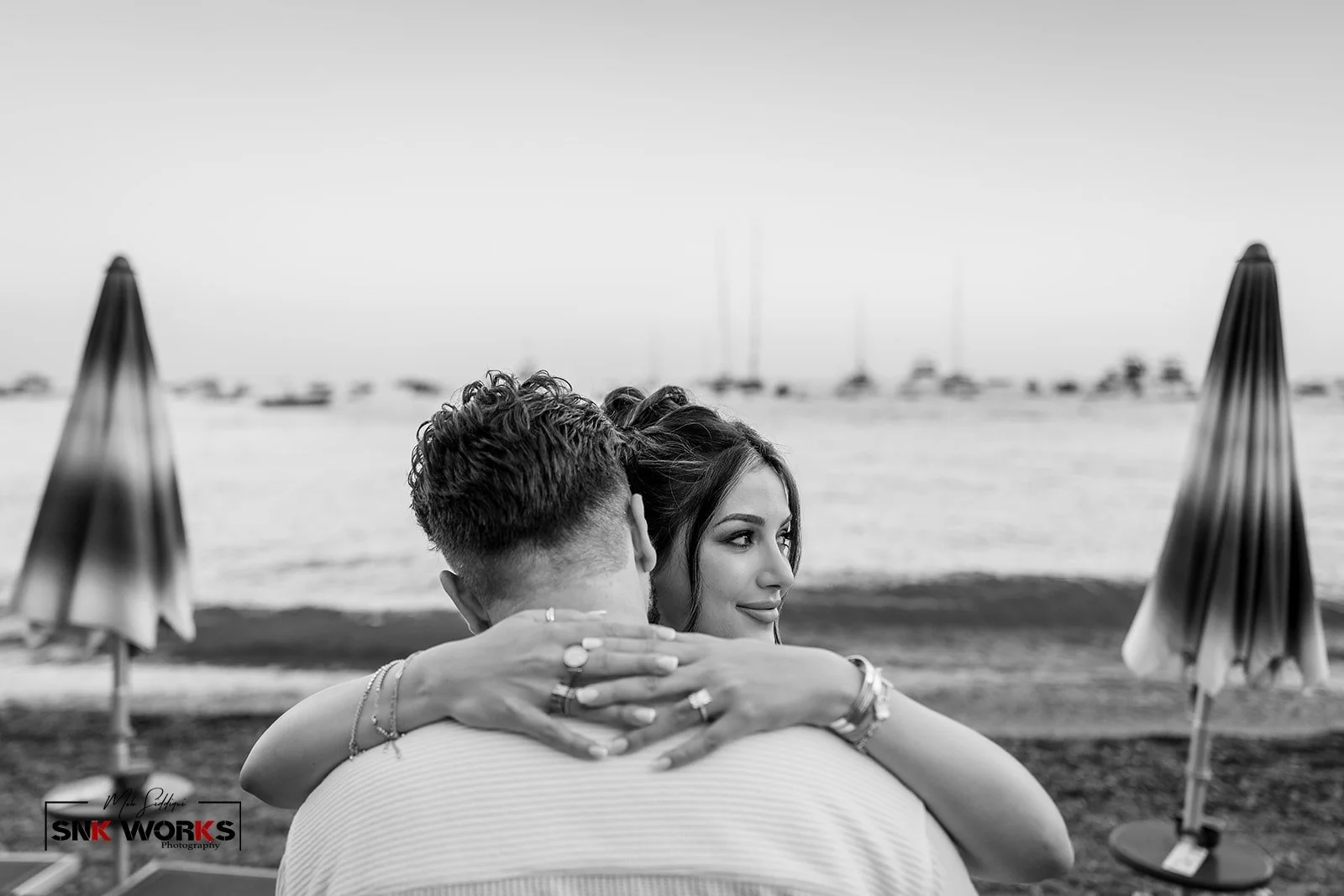


-
Capture travel moments, cultural elements, detailed scenery, and authentic interactions. Consider recording audio or interviews to elevate the final film.
-
Yes ,especially for Indian, Pakistani, or multi-day weddings.
Bringing your own team ensures:consistent style
strong communication
full event coverage
Many resorts allow outside teams with a small vendor fee.
-
It depends on the destination.
For tropical locations, peak months are November–April (dry season).
Avoid hurricane season: June–November.


Why Everyone’s Falling for This Nostalgic Wedding Trend | SnKWorks Wedding Diary 2026–2027